


How Digital Marketing Turns Home‑Improvement Leads into Closed Jobs
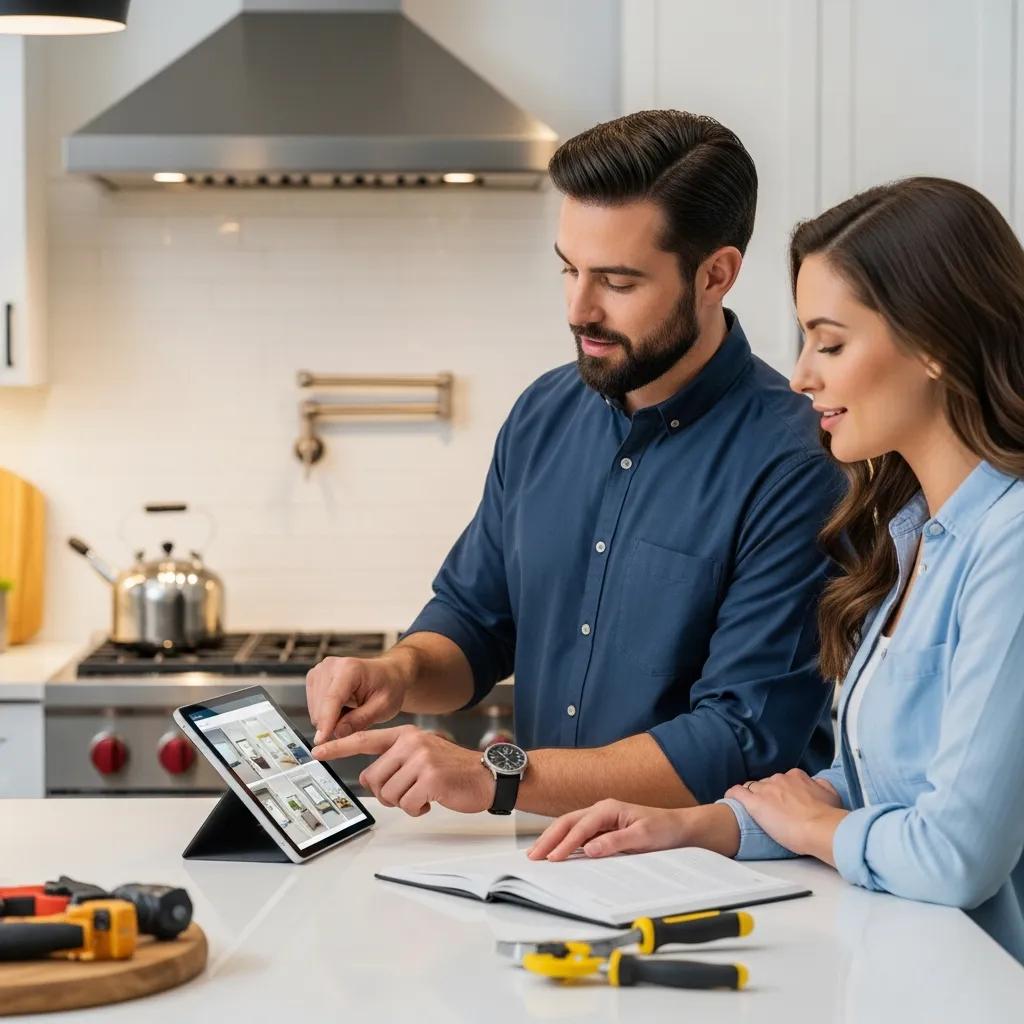
When online leads arrive unqualified, misrouted, or handled without a reliable sales process, contractors lose real revenue. This guide shows how coordinated digital marketing plus a contractor‑focused sales framework fixes that. You’ll learn which channels reliably surface homeowner intent, how to qualify and nurture leads with a CRM and email, and how visual content and hyper‑local SEO feed better opportunities to your field team. The RPC Framework (Rapport, Professionalism, Close) gives your reps a simple, repeatable way to convert those leads — and Home Improvement Closer provides a free Tier 1 Foundation to begin applying these skills. We map market drivers, core channels (SEO, PPC, social, content), nurture and pipeline tactics, RPC alignment, and the trends contractors should adopt in 2025. Expect practical checklists, side‑by‑side comparisons, and step‑by‑step actions you can use to increase qualified leads and close more deals.
Why Digital Marketing Matters for Home Improvement Contractors in 2025
Homeowner search habits, platform discovery, and tighter competition mean where and how you show up directly affects close rates and revenue. Contractors who focus on local SEO, targeted PPC, and reputation management capture high‑intent prospects and avoid losing jobs to low‑price bidders. Younger homeowners and the growing role of video proof make a strong online presence — with clear pricing, photos, and fast responses — more valuable than ever. The sections below break down the market shifts and behavior patterns so you can prioritize the channels that deliver real, actionable leads.
What Market Trends Are Fueling Digital Growth in Home Improvement?
Demand for remodeling, energy upgrades, and smart‑home installs — combined with more younger buyers willing to pay for pros — is driving search volume and stronger project intent. Green retrofits, smart integrations, and kitchen/bath remodels tend to show higher ticket sizes and clearer purchase signals. Contractors who publish targeted content and case studies for those project types attract better leads and can command stronger bids. Understanding these search trends lets you match landing pages and ads to homeowner priorities and improves both organic and paid acquisition efficiency.
- Key trend drivers include: Higher renovation intent from younger homeowners and recent buyers. Growing interest in energy‑efficient and smart‑home projects. Stronger preference for visual proof and video‑first discovery.
Prioritize content and channels that surface clear project intent quickly.
How Do Online Habits Change Contractor Lead Generation?
Homeowners now rely on mobile search and social discovery when vetting contractors, and they weigh reviews, photos, and quick responses heavily. “Near me” and project‑specific searches signal immediate intent; review scores and image/video portfolios often decide who gets the call. Mobile‑first behavior shortens attention spans, so landing pages and lead forms should show fast trust signals — photos, ratings, and simple next steps. Contractors that improve mobile UX, showcase before‑and‑after galleries, and remove friction from contact flows increase qualified lead volume and reduce price‑only competition.
What Are the Core Digital Channels for Home Improvement Sales?
The main channels are local SEO, pay‑per‑click (search and Local Services Ads), social and short‑form video, and content marketing. Each plays a role across the funnel: local SEO builds long‑term visibility for high‑intent searches, PPC captures immediate demand, social creates discovery and proof, and content (case studies, project pages) turns interest into booked estimates. Below we outline SEO vs. PPC and offer a compact channel comparison to help you decide where to invest first.
How Does SEO Help Contractors Get Found Locally and Generate Qualified Leads?

Local SEO helps you appear for neighborhood and project searches by optimizing your Google Business Profile, building service‑area pages, and growing a review portfolio that drives clicks and trust. On‑page work — service and project pages with hyper‑local keywords and schema — clarifies intent for search engines and homeowners and increases qualified organic leads without per‑lead cost. Consistent citations and local backlinks build authority in target neighborhoods, while photo‑rich galleries lift conversion from listing to call. Do these steps consistently and you’ll create a steady stream of homeowners actively searching for your services.
- Local SEO quick wins: Update Google Business Profile with accurate categories, service listings, and project photos. Publish service‑area and project pages targeting neighborhood keywords. Ask for descriptive client reviews and reply to them publicly.
What Role Does Pay‑Per‑Click Play in Fast Lead Generation?
PPC delivers immediate visibility for commercial‑intent searches and fills the gap while organic channels scale. Search ads capture homeowners actively requesting estimates, Local Services Ads and geo‑targeted campaigns place spend where conversion is strongest, and remarketing or lead forms recapture visitors who didn’t convert the first time. For contractors, a measured PPC budget with tight geo‑fencing and ad scheduling yields cost‑effective leads that complement ongoing SEO work.
Different channels vary by cost, intent, and speed; the table below lays out their typical use cases.
Intro: The table below compares core channels by cost, lead intent, and time‑to‑results to clarify where to focus first.
| Channel | Typical Cost Profile | Lead Intent / Timeline |
|---|---|---|
| Local SEO | Low direct spend; investment in content and citations | High intent; months to scale, steady long‑term leads |
| PPC (Search & LSAs) | Pay per lead/click; ongoing ad spend | Very high intent; immediate results for active searches |
| Social & Short‑Form Video | Production cost; paid boost optional | Medium intent; discovery‑led, builds pipeline over weeks |
| Content Marketing (Case Studies) | Content creation investment | Medium‑high intent; improves conversion and supports SEO |
SEO and PPC are complementary: use PPC to fill short‑term demand and SEO to build a lower‑cost, sustainable pipeline.
How Do Social and Content Marketing Build Authority for Remodelers?
Social and content prove workmanship, explain process, and amplify testimonials — all things that reduce price shopping. Visual platforms let remodelers show step‑by‑step transformations and build homeowner confidence, which supports higher bids. Content that answers common questions about budget, timeline, and materials positions contractors as trusted advisors and shortens the sales cycle by pre‑qualifying prospects. The next sections recommend platforms and video tactics that work best for remodel projects.
Which Social Platforms Showcase Home Improvement Work Best?
Instagram and Facebook work well for curated portfolios and local ads; TikTok and Reels drive discovery through short storytelling; YouTube hosts long walkthroughs and how‑tos that capture long‑tail search. Pick one or two platforms, repurpose assets across channels, and align your CTAs to booking or lead capture so engagement turns into estimates.
- Platform strategy highlights: Use Instagram/Facebook for polished portfolios and local targeting. Publish TikTok/Reels for short, discovery‑focused transformations. Produce YouTube explainers to capture detailed searches and how‑to queries.
Choose platforms that match your content cadence and resources to keep production manageable.
How Do Video and Before‑and‑After Content Drive Trust?
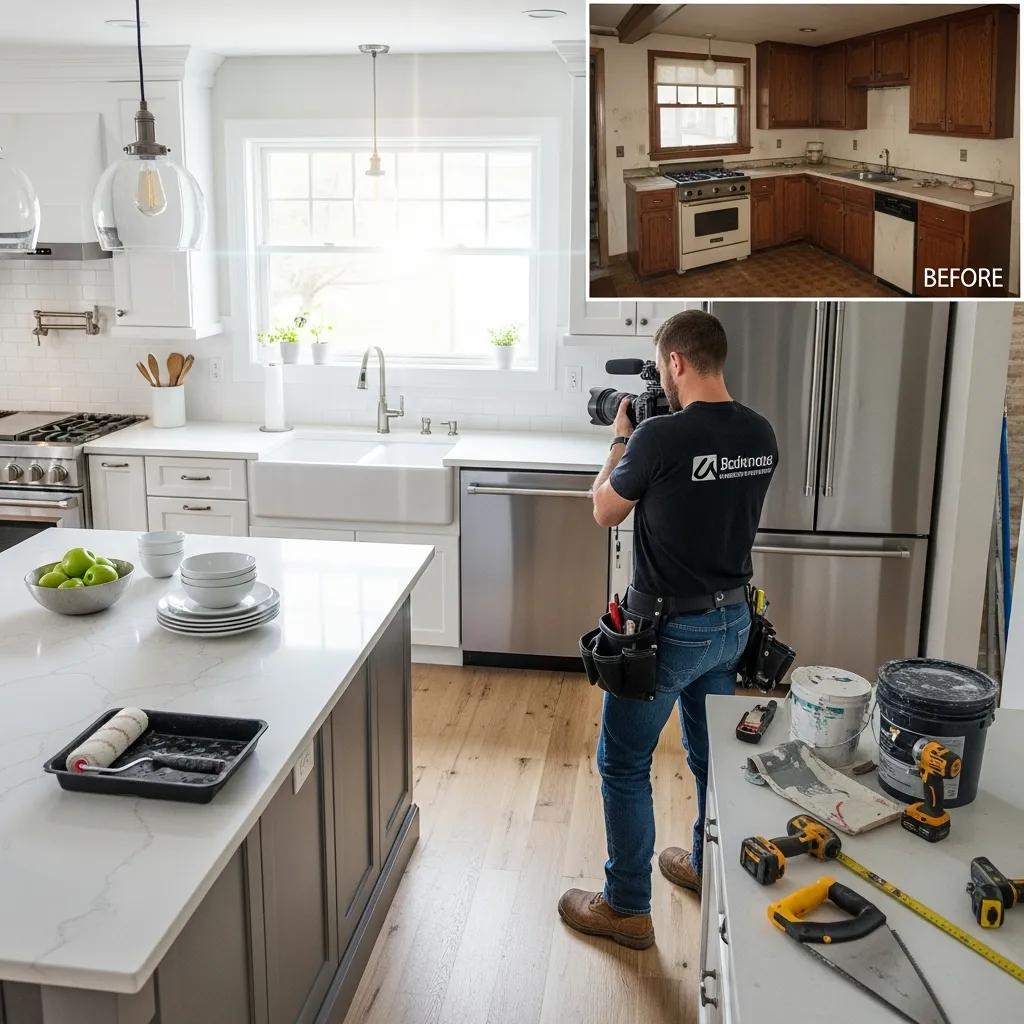
Before‑and‑after reels and short process clips give visual proof that builds rapport and lowers perceived risk. Short videos highlighting transformations, quick testimonials, and time‑lapses create emotional engagement and social proof that homeowners rely on. Optimize titles, descriptions, and thumbnails with project keywords and locality terms to improve discoverability. Publish on a schedule and repurpose clips into landing pages and ads to turn visual content into a steady source of qualified leads.
How Should Contractors Nurture Leads and Manage Pipelines?
Good nurture and pipeline management needs a CRM set up for contractor workflows, automated email/SMS sequences to confirm and schedule, and lead scoring to prioritize likely buyers. Capture qualification fields — project type, budget, timeline, decision‑maker — so reps can tailor Rapport and Professionalism under the RPC framework. Automated reminders cut no‑shows and integration of review requests into post‑job workflows boosts future referral and search performance. The sections below summarize CRM/email best practices and reputation moves that improve close rates.
Best Practices for Email Marketing and CRM in Home Improvement Sales
Your CRM should capture project type, budget range, target start date, and referral source, then send immediate acknowledgment plus scheduling options within minutes. A simple cadence: immediate confirmation, a 2–3 day follow‑up with project examples and pricing cues, and ongoing nurture messages (planning tips, financing options) until a decision is made. Templates and automation keep messages professional while allowing personal Rapport on calls. Track open and reply rates to refine messaging and scoring. Teams wanting deeper operational help can use Home Improvement Closer’s paid tiers for CRM integration coaching and templates.
Using CRM analytics and automation gives sales teams clearer visibility into customer behavior and helps prioritize the right opportunities.
CRM Analytics for Sales Management and Lead Generation
Customer Relationship Management is now a core tool for managing sales. When combined with analytics, AI, and automation, CRMs surface customer behavior, preferences, and buying cycles so teams can make smarter decisions. Advanced systems use AI and BI to identify the best leads, streamline routine processes, and optimize interactions — reducing manual work while improving engagement and forecasting accuracy. Analytics and Improvement of Sales Management through CRM, 2025
- CRM and email best practices: Capture structured qualification fields so you can prioritize effectively. Send immediate acknowledgment with an easy scheduling option. Use drip sequences with project examples and trust signals to nurture undecided leads.
These practices reduce friction and lift conversion from lead to scheduled estimate. Templates and training make them repeatable at scale.
Intro: The table below compares CRM and email tactics by tool type, recommended practice, and expected outcome.
| Tool Type | Best Practice | Expected Outcome |
|---|---|---|
| Basic CRM + Forms | Capture project, budget, and timeline fields | Faster qualification and scheduling |
| Automated Email Drip | Immediate ack plus nurture content | Higher engagement and more appointments |
| SMS Reminders | Short reminders before estimates | Fewer no‑shows and better conversion |
Structuring CRM fields and automations increases responsiveness and lets teams handle more leads without losing personalization.
How Does Online Reputation Impact Close Rates?
Reviews and testimonials are fast trust builders — a single star change can shift conversion noticeably. Ask for reviews at predictable completion points and respond publicly to feedback to show Professionalism. Use review excerpts in sales conversations and portfolios to strengthen Rapport. A repeatable review workflow and constructive responses to negative feedback reduce friction and increase the chance that online leads turn into closed jobs.
- Reputation tactics to implement: Request reviews at clear project milestones. Respond to negative feedback with corrective steps and a public resolution. Embed testimonials and project references into sales materials.
These actions build trust and cut down on price‑based objections during closing conversations.
How Does Digital Marketing Improve RPC‑Style Closings?
Digital marketing supplies leads with clearer intent and richer context — details that make Rapport easier to build, Professionalism more credible, and Close more efficient. When marketing captures scope, budget cues, and visual interest, field reps can open conversations personally, show relevant proof, and propose accurate estimates. Align lead capture fields with RPC qualification points for a smooth marketing‑to‑sales handoff that increases close rates. The sections below map common lead attributes to RPC steps and show how training puts them into practice.
How Do Higher‑Quality Leads Improve Closing with RPC?
Good digital leads include project descriptions, budget ranges, preferred start dates, and photos or links — all information that gives reps context before the first call. That detail helps reps craft personalized openings (Rapport), match portfolios to the homeowner’s needs (Professionalism), and present estimates that land (Close). When marketing supplies budget tiers and scope, proposals feel accurate instead of generic, which boosts acceptance. Train teams to use these attributes in every RPC step to increase conversion and average ticket size.
- Lead attributes that boost RPC performance: Project photos or detailed descriptions to support Rapport. Budget range and timeline so proposals align professionally. Referral or review context to strengthen closing credibility.
These attributes turn marketing contacts into sales‑ready conversations.
What Does Home Improvement Closer’s Tiered Training Offer?
Home Improvement Closer offers a three‑tier training path that operationalizes RPC for contractors and sales teams: Tier 1 Foundation is free and introduces the core concepts; Tier 2 Mastery ($149/mo or $124/mo billed annually) adds advanced closing techniques, role‑play, and CRM integration; Tier 3 Ownership ($250/mo or $208/mo billed annually) focuses on team scaling, leadership, and systems. The program avoids heavy scripting and centers on a proven three‑step system (Rapport, Professionalism, Close) that has supported $237M+ in closed business across 20+ trades. Paid tiers include a 60‑day money‑back guarantee. Contractors who apply the training typically gain confidence on calls, higher estimate‑acceptance rates, and scalable coaching for teams.
Intro: The table below compares course tiers by features and expected outcomes to help you choose the right level.
| Course Tier | Key Features | Expected Business Outcome |
|---|---|---|
| Tier 1: Foundation (Free) | Core RPC concepts; focus on natural conversation over scripts | Immediate improvement in rapport and qualification |
| Tier 2: Mastery ($149/mo or $124/mo billed annually) | Advanced closing techniques, role‑play, CRM integration | Higher close rates and predictable pipeline conversion |
| Tier 3: Ownership ($250/mo or $208/mo billed annually) | Team scaling, leadership coaching, systems | Scalable processes and sustained revenue growth |
Start with the free Foundation tier to reduce risk; Tier 2 and Tier 3 add operational coaching to turn better digital leads into consistent closed revenue.
Latest Trends and the 2025 Outlook for Home Improvement Marketing
Key trends for 2025 include short‑form video discovery, stronger hyper‑local SEO signals, and tactical AI use for ad and content optimization. Short videos speed discovery and later feed search queries, while local landing pages and Google Business Profile signals concentrate neighborhood visibility. AI can help optimize ads and ideate content, and chat/booking widgets reduce friction in scheduling. The subsections below give practical steps for video plus local SEO and for adopting new tech and content themes wisely.
How Do Short‑Form Video and Hyper‑Local SEO Change Contractor Marketing?
Short‑form clips on TikTok and Reels create early discovery, and linking those clips to hyper‑local landing pages turns discovery into measurable leads. Cluster local keywords by neighborhood and publish service pages that mention streets or developments to boost GBP relevance. Pair a simple social calendar with targeted local pages to align creative with searchable local intent and improve conversion.
- Quick implementation steps: Create weekly short‑form videos showcasing projects or practical tips. Build hyper‑local landing pages for neighborhoods and services. Link social posts to local pages to capture intent‑driven traffic.
These combined tactics increase both visibility and the conversion rate of social‑driven leads.
Which New Tools and Content Themes Should Contractors Adopt?
Use AI tools for ad optimization and content ideation to speed testing, but prioritize chat and booking widgets that reduce friction for scheduling estimates. Content themes that resonate now include green upgrades, smart‑home integrations, and clear pricing guides. Run low‑cost pilots — short‑form video tests and AI‑assisted ad experiments — before scaling, and keep human‑led sales training like RPC to convert the improved lead flow.
- Tech and content priorities: Leverage AI for ad optimization and headline generation. Install chat/booking widgets to capture immediate conversions. Create theme‑driven content (green upgrades, smart home, pricing transparency).
These pragmatic steps improve efficiency without overcommitting and feed higher‑quality leads into trained sales processes.
Frequently Asked Questions
What are the key components of a successful digital marketing strategy for home improvement contractors?
A strong strategy combines local SEO, targeted PPC, active social media, and helpful content. Local SEO gets you found by nearby homeowners, PPC captures immediate estimate seekers, social platforms showcase your work, and content like case studies and pricing guides builds trust. Together, these tactics attract, qualify, and nurture the right leads.
How can contractors measure the effectiveness of their digital marketing efforts?
Track website traffic, lead volume, conversion rates, and lead quality by source. Use Google Analytics for behavior insights and tie leads back to campaigns to measure ROI. Monitor social engagement and PPC performance, and watch estimate‑acceptance rates to see if marketing is improving actual sales. Regular reviews let you optimize spend and messaging.
What role does customer feedback play in improving digital marketing strategies?
Customer feedback informs what homeowners value and where you can improve. Encourage descriptive reviews and use them as social proof in ads and sales materials. Positive feedback supports marketing claims; constructive feedback highlights service or messaging gaps you can fix. Use reviews to refine targeting and content over time.
How can contractors effectively utilize video marketing in their campaigns?
Use short videos for quick transformations and testimonials, and longer videos for walkthroughs and how‑tos. Post consistently, optimize titles and descriptions with local keywords, and repurpose clips across platforms and landing pages. Short‑form content drives discovery; longer content builds authority and search visibility.
What are some common mistakes contractors make in their digital marketing efforts?
Common errors include ignoring local SEO, not responding to reviews, and neglecting mobile optimization. Other pitfalls: inconsistent branding, no tracking of campaign performance, and relying on a single channel like PPC. A balanced, tracked approach avoids these mistakes.
How can contractors stay updated on the latest digital marketing trends?
Subscribe to industry newsletters, follow marketing blogs, join webinars, and engage in contractor communities. LinkedIn and trade conferences are good sources for tactical updates. Test small pilots (short videos, AI ad experiments) and scale what proves ROI.
Conclusion
A focused digital marketing strategy — combining local SEO, measured PPC, and consistent visual content — raises lead quality and improves close rates. Pair better lead flow with a repeatable sales process like RPC and you’ll turn more online inquiries into booked jobs. Start with a few practical changes today and build from there: better visibility, stronger trust signals, and cleaner handoffs to your sales team translate into more closed revenue.