

How to Build Instant Rapport with Homeowners for Contractor Sales Success

Instant rapport means creating trust fast so a homeowner feels confident hiring you for their project. When you show both competence and genuine care, homeowners see less risk, decide faster, and raise fewer objections that stall the sale. This guide gives contractors practical rapport-building tactics, on-site communication scripts, and behavior changes that lead to higher close rates and fewer cancellations. You’ll get why rapport matters in renovation sales, how the RPC Framework speeds trust, specific verbal and nonverbal moves for the jobsite, scripts to head off “think it over” and price-shopping, plus a follow-up cadence that preserves relationships through construction. Every section uses contractor-focused examples—timelines, permits, subcontractor logistics—and includes quick-reference tables and ready-to-use scripts you can use on your next estimate visit. Read on for field-tested steps that turn homeowner trust into signed contracts and dependable referrals.
What Is the Importance of Building Rapport with Homeowners in Home Improvement Sales?
Building rapport lowers perceived project risk and creates the trust homeowners need to decide faster and with confidence. When a contractor communicates skill and real concern, homeowners view timeline, budget, and workmanship risks as smaller—so they’re more likely to sign and less likely to cancel. Rapport shortens sales cycles by making discovery clearer, cutting price-only comparisons, and helping customers accept value-based proposals. The sections that follow show how rapport psychology leads to measurable sales improvements and highlight the on-site challenges contractors must manage every visit.
How Does Rapport Influence Homeowner Trust and Sales Outcomes?
Rapport shifts a homeowner’s decision by combining perceived competence, warmth, reciprocity, and social proof. Competence shows up in clear timelines, material specifics, and trade knowledge; warmth comes from listening and genuine empathy. Together, those cues raise the chance a homeowner signs on the spot and lower the risk of cancellations or extended price shopping. Contractors who make rapport a repeatable habit see better conversions and fewer late-stage objections because homeowners feel understood and confident in the contractor’s ability to deliver.
What Are the Key Challenges Contractors Face in Establishing Rapport?
Contractors face unique barriers: tight on-site schedules, noisy or chaotic environments, skeptical or price-conscious homeowners, and mismatched communication styles between tradespeople and clients. Rushed visits cut short discovery and stop micro-commitments before they happen. Jobsite interruptions—kids, pets, weather—break conversational flow and can undermine perceived attention to detail. Counter these by running short, prioritized discovery, using calming language, and getting small agreements throughout the visit to keep momentum and trust intact.
How Does the RPC Framework Help Contractors Build Instant Rapport?
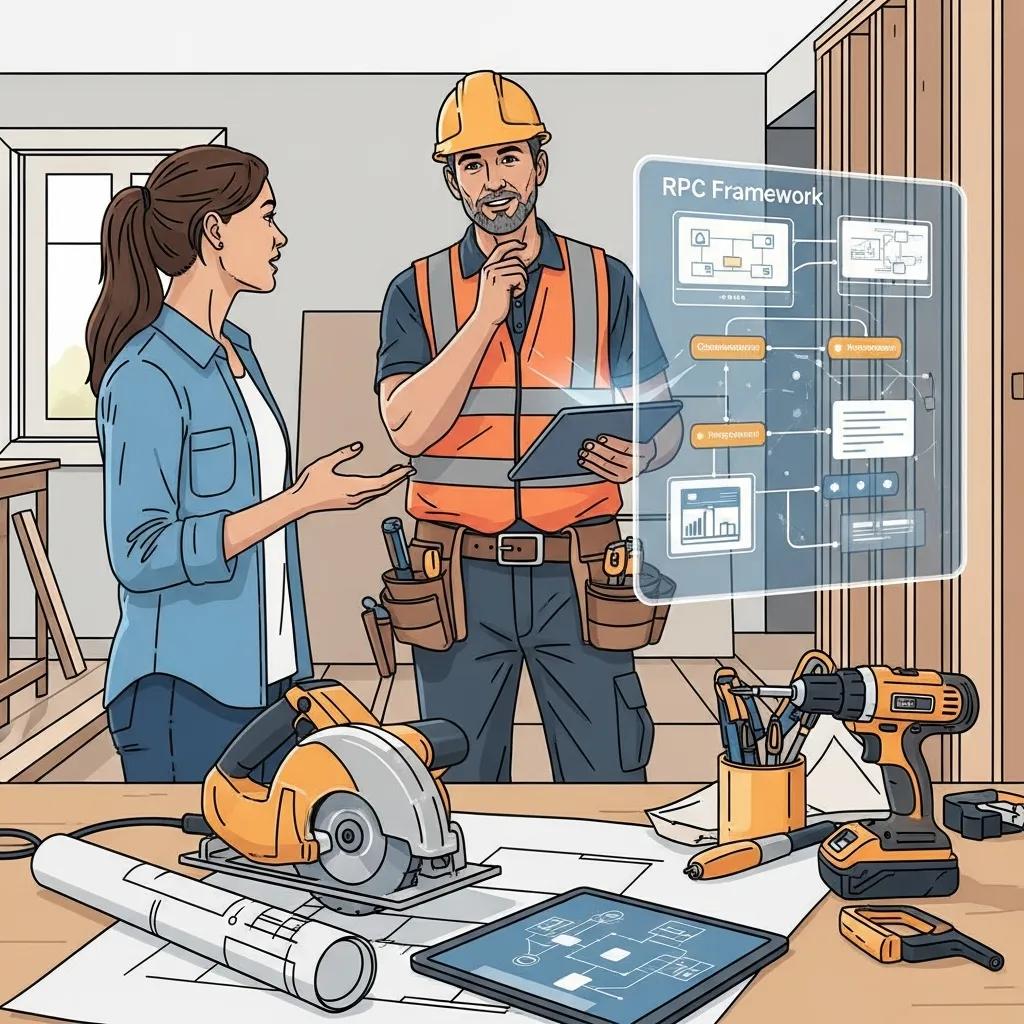
The RPC Framework—Rapport, Professionalism, Close—breaks fast trust-building into repeatable steps contractors can follow on every estimate. Rapport focuses on matching the homeowner’s tone, asking priority-driven questions, and validating concerns. Professionalism proves competence with documents, schedules, and clear next steps. The Close turns those steps into commitment language that protects rapport while asking for the decision. This structure turns relational skills into a predictable sales process that reduces objections and defends your pricing.
What Are the Essential Techniques in the Rapport Stage of the RPC Framework?
In the Rapport stage use active listening, mirror voice and body language, ask open discovery questions, and apply situational empathy. Start with two quick moves: confirm the homeowner’s top priority, then paraphrase it back to show you understand. Use short scripts like, “So your main concern is finishing before the holiday, correct?” to earn affirmation and a micro-commitment. A field-tested sequence: match the homeowner’s pacing, ask about previous renovation experiences, then share one specific example of how you solved a similar scheduling issue—this builds credibility fast and lets the conversation stay focused on value rather than price.
For contractors who want a training path to practice this sequence, Contractor & Subcontractor School offers tiered programs that teach the full RPC system in depth. Tier 1, Foundation for Construction Sales (FREE), includes 13 video lessons, community access, and a free 1-on-1 consultation to get started using rapport techniques. Tier 2, Mastery of Contractor Sales ($149/month or $1,788/year), provides 51 videos focused on objections, pricing, and preventing cancellations so teams can apply rapport to high-stakes conversations. Tier 3, Ownership of Contracting Business ($250/month or $2,500/year), expands to scaling, premium pricing, and leadership skills for contractors ready to grow. Additionally, one-on-one consultations include a free 60-minute strategy session (a $1,500 value) for hands-on implementation planning.
How Do Professionalism and Closing Stages Support Strong Client Connections?
Professionalism and a clean close preserve the rapport you built by signaling reliability, reducing perceived risk, and clarifying commitments. Professionalism looks like written timelines, a clear scope of work, visible credentials when relevant, and a tidy jobsite—these turn rapport into proof of competence. The Close uses non-pushy commitment steps—micro-commitments that lead to a clear next action—so homeowners can decide without feeling pressured. Use a short professionalism checklist for estimate-to-start flow: pre-meeting confirmations, on-site documentation, and a simple follow-up plan. Those steps keep rapport intact from estimate to execution and reduce cancellations.
- Professionalism checklist for estimate-to-start flow:
- Confirm the appointment and summarize the problem before arrival.
- Present a one-page scope and timeline at the visit.
- Offer two pricing options with clear trade-offs.
- Agree on next steps and secure a small commitment (deposit or signed scope).
- Send a follow-up message summarizing the visit within 24 hours.
These professional habits create a consistent client experience that reinforces the rapport you built and primes homeowners to accept value-based pricing.
What Verbal Communication Strategies Build Strong Client Connections with Homeowners?
Strong verbal strategies blend active listening, focused questions, and vocal matching to build clarity and trust in short jobsite interactions. Active listening lowers homeowner defensiveness, open-ended questions reveal priorities like timeline, budget, and style, and vocal matching—aligning volume, pace, and warmth—helps homeowners feel heard. The sections below explain how to use each technique in practice and include a quick table to compare methods and outcomes.
How Can Contractors Use Active Listening to Build Trust Quickly?
Active listening uses paraphrase, reflection, and summarizing to confirm you understand and care. Start with a short paraphrase: “You’re worried the project will take too long and disrupt daily life,” then ask for confirmation. Use reflective language to validate feelings: “That makes sense—timing is a big deal with kids at home.” These moves show the homeowner they’re being prioritized, which lowers resistance and opens the door to trade-offs instead of price debates. A tight active-listening script reduces ambiguity and lets you pivot to homeowner-focused benefits.
Different verbal techniques map to distinct on-site actions and outcomes as shown below.
| Technique | Key Attribute | Example Implementation |
|---|---|---|
| Active Listening | Paraphrase and summarize | “So your priority is a two-week completion. If we schedule crews in sequence, we can meet that.” |
| Open-Ended Questions | Discovery and depth | “What would a successful project look like for you in three months?” |
| Vocal Matching | Emotional calibration | Lower your volume slightly if the homeowner is reserved; match a faster pace if they speak quickly. |
What Questions Should Contractors Ask to Uncover Homeowner Needs?
Use open discovery questions that reveal motivations, constraints, and decision drivers without feeling like an interrogation. Start with outcome-focused questions: “What does success look like for this project?” Follow with constraint probes: “Are there key dates or budget limits shaping your decision?” Then dig deeper: “If you could change one thing about past projects, what would it be?” These questions surface buying signals so you can tailor a value-based proposal rather than a raw price quote. Sequence questions so each answer builds toward a solution.
- Core discovery question set:
- “What outcome would make this project successful for you?”
- “Are there timing or budget constraints we should plan around?”
- “Have you worked with contractors before—what worked and what didn’t?”
After asking, summarize the homeowner’s priorities to confirm understanding and move toward a solution-based proposal.
Identify Client Needs for Construction Sales Success
Professional communication is a critical factor in construction sales. Identifying client needs lets contractors address the homeowner’s specific requirements, streamline the workflow, and close more effectively.
How Do Non-Verbal Cues and First Impressions Affect Rapport with Homeowners?
Non-verbal signals—body language, appearance, and jobsite presentation—communicate competence and care before you say a word, and they shape first impressions quickly. Open posture, steady eye contact, and calm movement convey confidence; a cluttered truck or dirty uniform undermines reliability. Small changes—a neat estimate folder, a clean van—boost perceived professionalism and make homeowners more open to premium options. The next sections list high-ROI body language tweaks and simple appearance upgrades.
What Body Language Signals Build Confidence and Trust in Sales?
Confident body language includes an open stance, controlled gestures, appropriate smiles, and subtle mirroring of the homeowner’s posture. Avoid crossed arms or aggressive movements; use short nods to acknowledge points and maintain natural eye contact. Read the homeowner’s cues—if they lean in, match that engagement; if they prefer more space, step back. These adjustments reduce friction, make homeowners feel understood, and prepare them to accept your recommendations and timelines.
Nonverbal Communication's Impact on Construction Project Success
Research shows communication breakdowns cause many problems on construction projects. Nonverbal communication plays a major role in leadership, performance, and productivity—so paying attention to nonverbal cues improves project outcomes.
What Does Contractor Appearance Influence Homeowner Perceptions?
Appearance goes beyond clothing to include tools, vehicle cleanliness, and how materials are presented; together these cues create a quick credibility signal. A clean truck, organized toolboxes, and a simple branded estimate packet communicate attention to detail and respect for the homeowner’s property. Low-cost upgrades—neat uniforms, protective shoe covers, a printed scope sheet—raise perceived value and reduce price resistance. Clear, professional presentation makes it easier for homeowners to accept recommendations and premium choices.
Enhance Construction Communication with Non-Verbal Cues
Non-verbal communication skills are essential in construction. Close interaction with clients and trades requires attention to nonverbal signals to build rapport and support project success.
How Can Contractors Overcome Common Homeowner Objections Through Rapport?
Strong rapport prevents and defuses objections by addressing homeowners’ perceived risks before price or doubt dominates the conversation. By uncovering priorities and aligning your proposal with what matters—timeline, quality, warranty, references—you reduce the chance a homeowner defaults to “think it over” or shops just on price. Use sequenced micro-commitments, documented proof points, and short value stories tied to homeowner needs to keep momentum. The table below maps common objections to rapport-first prevention and response techniques.
| Objection | Rapport Technique (Attribute) | Example Response (Value) |
|---|---|---|
| “I need to think it over.” | Micro-commitments + urgency framing | “I understand. Before you decide, can we lock in a preferred start window so I can hold those dates for you?” |
| “Your price is higher than another quote.” | Value framing + proof points | “I hear that—here’s where our scope includes a two-year warranty and scheduled check-ins to protect your investment.” |
| “I don’t know if we like the timeline.”td> | Empathy + sequencing | “Timing is critical—here’s how we’ll stage work to limit disruption and still meet your date.” |
What Rapport Techniques Prevent the “Think It Over” Objection?
Stop “think it over” by collecting micro-commitments during discovery and clarifying the homeowner’s decision process early. Ask targeted closing questions like, “Who else needs to sign off, and when are they available?” Tie urgency to real scheduling constraints—limited crew windows or material lead times—without heavy pressure. Offer a clear, low-friction next step (a small deposit or a signed scope) so the homeowner has an easy path forward and the project doesn’t stall. These tactics reduce ambiguous delays and keep momentum toward a signed agreement.
How to Address Price Concerns Using Value-Based Rapport Strategies?
>p>When price comes up, translate features into homeowner-specific benefits and back claims with proof—warranties, references, and a transparent long-term cost breakdown. Use a comparison narrative: “Option A lowers maintenance over five years; Option B saves upfront but may need repairs sooner.” Show visual or written evidence where possible and anchor the decision to the homeowner’s priorities (safety, resale value, durability). Reframing price as a risk-management choice preserves the relationship and aligns your recommendations with what the homeowner values most.
- Quick steps to reframe price conversations:
- Restate the homeowner’s top priority to anchor value.
- Contrast options by long-term cost, not just upfront price.
- Provide proof points—warranties, references, timeline guarantees.
- Offer a staged scope to match budget limits while preserving core value.
After these steps, invite a small commitment—this keeps the homeowner engaged and lowers the chance they’ll shop on price alone.
For contractors wanting deeper objection-handling practice, Tier 2 Mastery of Contractor Sales ($149/month or $1,788/year) includes focused modules on pricing conversations and preventing cancellations, and a free 60-minute strategy session is available to tailor tactics to your business. These resources help teams build repeatable roleplay and systems that scale rapport-led selling.
What Are Proven Client Connection Strategies to Increase Closing Rates in Home Improvement Sales?
High-impact connection strategies include weaving empathy into every conversation, keeping a predictable follow-up cadence, using social proof, and documenting a transparent process. Empathy lowers homeowner defensiveness and aligns technical recommendations with emotional priorities. Follow-up sequences that mix text updates, photos, and short calls protect trust after the estimate and cut cancellations. Social proof—case photos, references, before-and-after stories—turns rapport into validation that helps homeowners decide. Below are empathy scripts and a practical follow-up calendar you can implement immediately.
How Does Building Empathy Improve Sales Confidence and Client Relationships?
Empathy connects technical skill with homeowner emotion by naming worries and offering structured solutions. Simple lines—“I can see why that would worry you; here’s how we handled it for other homeowners”—turn defensiveness into collaboration. Showing empathy early makes homeowners more open to trade-offs and premium options because they feel heard, not sold. Empathy also steadies crews: teams that use empathetic language reduce friction on-site and build stronger client relationships, which drives referrals.
What Follow-Up Practices Strengthen Rapport and Reduce Cancellations?
A reliable follow-up cadence prevents drift and keeps your job top-of-mind, shrinking the window for price-shopping or second thoughts. Use a 30/60/90-style calendar that combines short texts, photo updates, and brief calls about progress and next steps. Right after the visit, send a summary confirming scope and timing; at 48 hours follow up with photos or references; and before the start date send a preparation checklist and access confirmation. These touchpoints turn one-time rapport into an ongoing relationship that reduces cancellations and improves cooperation on site.
- Recommended 30/60/90 follow-up cadence:
- 24–48 hours: Summary message with scope and references.
- 7–14 days: Progress update, photos, or scheduling confirmation.
- Pre-start (3–7 days): Final checklist and day-one expectations.
Consistent follow-up preserves the trust you built in person and supports the homeowner’s decision to move forward.
For contractors focused on turning connection strategies into scalable systems, Tier 3 Ownership of Contracting Business ($250/month or $2,500/year) and one-on-one consultation options provide coaching on leadership, premium pricing, and cancellation-reduction systems. The one-on-one consultation includes a free 60-minute strategy session (listed as a $1,500 value) to map practical next steps for your team.
Frequently Asked Questions
What are some effective ways to establish rapport quickly with homeowners?
Start with active listening, mirror the homeowner’s body language, and ask open-ended questions. Confirm their main concerns and priorities to show you’re listening. Use a friendly, professional tone and steady eye contact to create a welcoming atmosphere. Sharing a brief, relevant example from past jobs can also build trust fast. These moves encourage homeowners to open up about needs and make the sales conversation flow more naturally.
How can contractors maintain rapport throughout the project?
Keep communication predictable and proactive. Set a follow-up schedule with regular progress updates, address concerns promptly, and check in on homeowner satisfaction. Small touches—sending photos of completed work or a short checklist of next steps—reinforce the relationship. Being organized and responsive helps homeowners feel valued and increases the chance of referrals and repeat business.
What role does empathy play in building rapport with homeowners?
Empathy matters because it helps you understand and address emotional concerns. Acknowledging fears and validating feelings creates a safe space for open dialogue. Lines like, “I understand why that would worry you,” shift a defensive homeowner into a collaborative client. That emotional connection builds trust and makes homeowners more open to your recommendations.
How can contractors effectively handle objections from homeowners?
Listen first, then tailor your response to the homeowner’s real concern. Use micro-commitments to keep the conversation moving and turn objections into opportunities to highlight value. If price is the issue, show proof points—warranties, references, and long-term cost comparisons—and offer staged options. Framing objections as clarifying questions helps you maintain rapport and guide the homeowner toward a decision.
What are some common mistakes contractors make when trying to build rapport?
Common mistakes include rushing the visit, not listening closely, and ignoring nonverbal cues. Another misstep is using a one-size-fits-all approach instead of personalizing the conversation. Pressuring the homeowner to sign can backfire—focus on genuine engagement, understand their priorities, and adapt your communication style to build trust.
How can visual presentation impact rapport with homeowners?
Visual presentation signals professionalism and attention to detail. A tidy job site, well-kept tools, and a neat appearance boost credibility. Visual aids—timelines, before-and-after photos, and clear scope sheets—help homeowners visualize the project and feel confident in your work. A strong visual presentation reinforces your message and strengthens the connection.
Conclusion
Building instant rapport with homeowners is one of the fastest ways contractors can improve close rates and reduce cancellations. Use the RPC Framework and the practical techniques in this guide—active listening, clear professionalism, staged closes, and consistent follow-up—to turn trust into signed contracts and repeat referrals. Start applying these steps on your next estimate visit and watch homeowner conversations shift from price-driven to value-driven.