

Comprehensive Guide to Contractor Lead Conversion: Proven Sales Strategies to Close More Construction Deals

Turning inquiries into signed contracts is the difference between a busy schedule and an empty calendar. Contractor lead conversion depends on sharp qualification, persuasive but human communication, and a repeatable close process you can train your team to use. This guide walks contractors through every step — from speed-to-lead and triage questions to handling objections, presenting price and proposals, and running post-sale systems that cut cancellations. Too many jobs slip away because teams are slow to respond, misread objections, or fail to communicate value. Inside you’ll find field-tested scripts, step-by-step tactics, and KPIs you can measure. You’ll learn the conversion funnel, rebuttals for the top objections, proposal templates that protect premium pricing, rapport moves that speed decisions, closing scripts for remodelers, and practical scaling steps to turn better conversion into reliable growth. Throughout, we prioritize human-first selling and CRM best practices so your leads convert predictably and measurably.
What Are the Most Effective Contractor Lead Conversion Strategies?
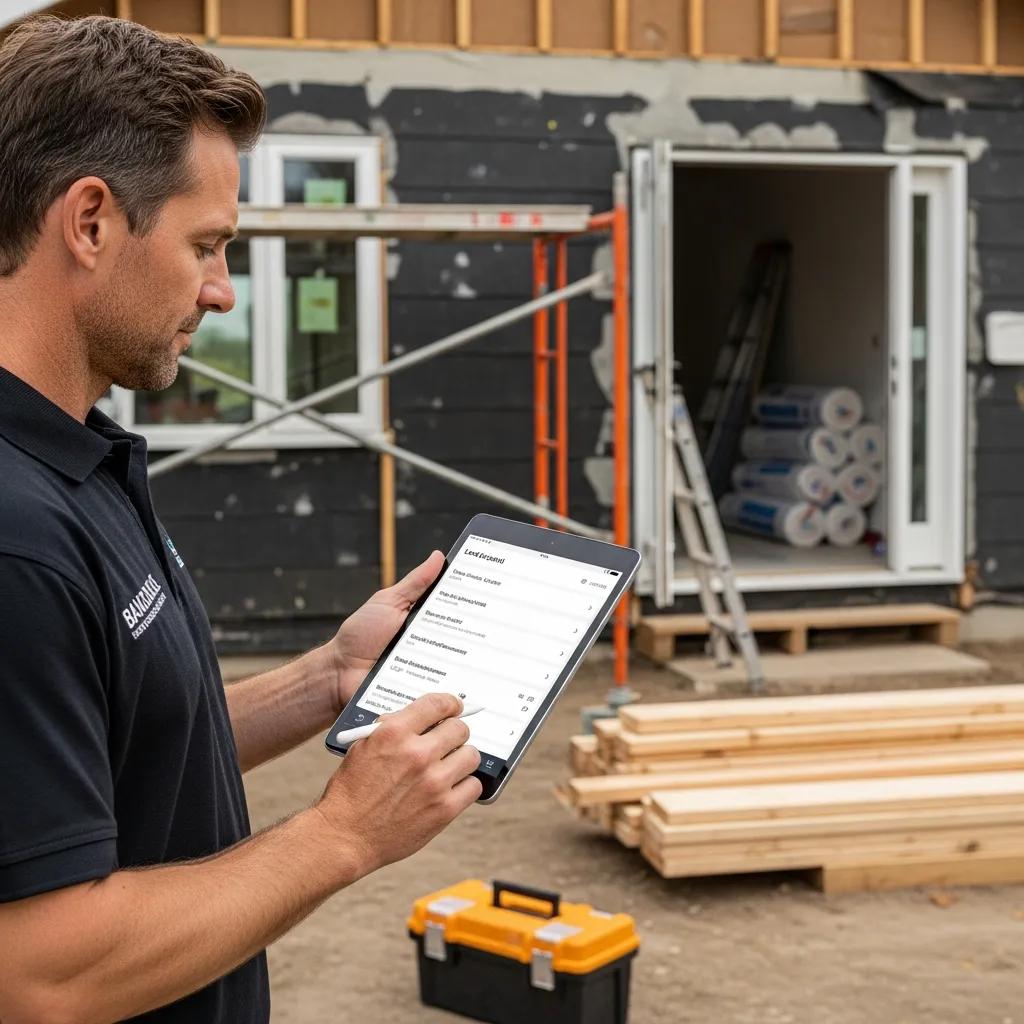
Think of lead conversion as a simple funnel: source → qualify → connect → present → close. The teams that win prioritize quality leads, answer fast, and use a consistent sales method. The lever that moves conversion is combining quick, prioritized outreach with a guided conversation that uncovers decision drivers, reduces perceived risk, and recommends a clear next step. The payoff: fewer missed jobs, higher average ticket, and a steadier schedule. Start with a 24-hour playbook that triages inquiries, books the right next step (call, visit, or video walk-through), and logs outcomes in your CRM for follow-up. The next section breaks these into immediate actions you can implement today.
Top 5 high-impact contractor lead conversion strategies and immediate actions:
- Prioritized lead qualification: Score leads by readiness and budget, then contact A-level leads within the first hour.
- Speed to lead with quality conversations: Use a tight first-contact script that triages needs, confirms decision-makers, and books the next step.
- Use a repeatable sales framework (RPC): Run every interaction with Rapport, Professionalism, and a confident Close.
- Proposal options and value-based pricing: Present clear choices with a recommended pick and defend premium value with outcome-focused language.
- Systematize post-sale onboarding: Put 30/60/90-day checks in place to cut cancellations and create referral opportunities.
These tactics reinforce one another: faster triage increases qualified prospects while a repeatable sell raises close rates per contact.
To prioritize lead sources, compare typical lead quality and the best response for each. The table below shows common sources and the practical response that converts more efficiently.
Leads differ in quality and need different responses:
| Lead Source | Typical Lead Quality | Best Response Strategy |
|---|---|---|
| Referral | High | Call within 4 hours, mention the referrer, and schedule a site visit |
| Organic website inquiry | Variable | Reply within 24 hours, qualify budget and timeline, book a walkthrough |
| Paid advertising | Mixed | Fast initial contact (1–4 hours); ask immediate qualifying questions |
| Home improvement marketplace | Mixed-high | Confirm scope and decision authority, then send tailored proposal options |
| Phone inquiry / walk-in | High | Book a site visit or same-day estimate when possible |
How Does the RPC Framework Improve Contractor Sales Conversion?
RPC — Rapport, Professionalism, Close — gives every sales conversation a reliable structure so estimators move from first contact to signed agreement more predictably. Rapport builds trust by listening and aligning with client priorities; Professionalism shows competence with clear proposals, timelines, and warranties; Close asks for the work with confident, low-friction next steps. On-site, a short RPC micro-script works well: open with a curiosity question (rapport), present prioritized options with proof (professionalism), then ask a choice question and lock a start date (close). Logging RPC notes in your CRM ensures every team member delivers the same experience and lifts overall close rates.
Why Is Speed to Lead Critical for Home Improvement Contractors?
How fast you respond shapes how professional you seem — and often decides who gets the job. Early contact captures the prospect’s attention and lets you set the agenda before competitors turn the conversation into a price war. Use a 0–24 hour cadence: instant acknowledgement, a phone outreach within the first business hour if possible, a qualification call within 24 hours, and a confirmed next-step appointment.
Example first-contact wording: “Thanks for reaching out — quick question so I can help: is your goal to start within 4–6 weeks, and will you be the primary decision-maker?” That single triage question clarifies timeline and authority and moves the lead toward a booked action.
How Can Contractors Master Objection Handling to Close More Deals?

Objection handling is about spotting surface objections and diagnosing the real concern — budget, timing, trust, or scope — then answering with concise, evidence-backed language. Most objections are uncertainty, not a final "no"; the right questions and reassurance reduce anxiety and reopen the sale. Regular role-play and short scripts speed up team mastery so crews respond consistently in the field. Below are tactical, single-line responses you can use on-site.
Common objections and single-line tactical responses:
- Cheaper bid — Validate the comparison, ask which items differ, and stress warranty and workmanship.
- I need to think about it — Acknowledge that, ask what they’re weighing, and set a decision timeline.
- Spouse/partner not home — Offer a quick follow-up call or bring materials for both decision-makers at the visit.
- Timing concerns — Offer available windows and explain the cost of delay versus the benefits of starting sooner.
- Scope uncertainty — Provide a scoped, priced option with clear allowances to remove guesswork.
- Permit concerns — Explain the permit plan and who manages it to eliminate perceived risk.
- Past contractor issues — Ask what went wrong, outline your remediation steps, and provide references.
- Price is too high — Break down value drivers and compare lifecycle cost, not just sticker price.
- Financing worries — Lay out payment options and timelines, then recommend the best fit.
- Material quality questions — Show samples, specs, and warranty details.
- Warranty and follow-up concerns — Offer a clear post-completion inspection and repair commitment.
What Are the Top 11 Objections Contractors Face and How to Overcome Them?
The list above shows the common symptoms; the diagnosis is that most objections hide uncertainty about value or timing. The fix: ask focused questions to surface the real barrier, answer with concise evidence, and set a clear next step. For example, when a prospect says “I need to think about it,” follow with: “Totally fine — what’s the one thing you’d need to be sure of to move forward?” Then address that concern and agree on a follow-up. Regular role-play turns hesitation into signed agreements.
How Does the RPC Framework Support Objection Mastery in Contractor Sales?
RPC prevents many objections by creating a predictable buying experience: Rapport uncovers hidden concerns before price lands, Professionalism lowers perceived risk through credentials and process, and Close turns readiness into a contract. Map objections to RPC — price issues often surface when rapport is weak or professionalism signals are missing; timing objections can be solved in the Close by offering schedule-linked options. Role-play with RPC turns reactive rebuttals into proactive problem-solving. Teams that standardize these scripts typically see measurable lifts in close rate from consistent handling of the Top 11 objections. For crews ready to train at scale, advanced programs like Tier 2: Mastery of Contractor Sales include scripted role-play modules and a practical playbook; interested teams can book a free 60-minute strategy session to see how the drills fit their business.
What Pricing Strategies Help Contractors Win More Home Improvement Sales?
Pricing is less about low numbers and more about signaling value and guiding choices. The mechanics are anchoring and recommendation paired with clear deliverables. The result: better margins and fewer discount battles. Use three reliable tactics: lead with an anchored premium, offer tiered proposals with a recommended choice, and frame price around outcomes and reduced risk. Below are practical examples you can use right away.
Three pricing tactics with examples:
- Anchoring: Lead with a premium “all-in” option so the mid-tier looks like the sensible choice.
- Tiered proposals: Offer Option A/B/C with a recommended pick and a short reason why.
- Value-based presentation: Translate price into lifecycle benefits (durability, lower maintenance, warranty) rather than a raw parts list.
To defend premium pricing, bring evidence and calm confidence: show warranty terms, recent projects, material specs, and the real cost of rework to justify the upfront investment.
To compare pricing methods and presentation tactics, the table below summarizes how each approach signals value and how to present it to customers.
| Pricing Approach | Perceived Value Signal | Presentation Tactics |
|---|---|---|
| Fixed price / turnkey | Certainty | Clearly show scope and exclusions; highlight warranty |
| Anchored premium | Quality and exclusivity | Lead with the premium option, then show the recommended mid-tier |
| Value-based pricing | Outcome-focused | Quantify benefits and lifetime cost savings |
| Cost-plus | Transparency | Show materials and labor breakdown; emphasize fairness |
How to Defend Premium Pricing Without Discounting?
Defending premium pricing works when you translate features into risk reduction and outcomes the customer values. Start with clear evidence: recent projects, warranty language, and specs. Use language like, “Most customers pick this option because it reduces maintenance and protects resale value — and our warranty covers X for Y years.” Bring a checklist of proof: portfolio photos, testimonials, spec sheets, and a concise warranty summary. Don’t argue on price; quantify the cost of doing nothing or choosing lower-quality options. Teams that rehearse these phrases cut discounting and protect margins.
What Are Effective Pricing Presentation Techniques for Contractors?
Keep pricing walkthroughs short and structured: confirm priorities, present options with a recommended choice, and confirm the next step to sign. Use visuals — simple comparison tables or material photos — and highlight the single difference that matters for each option (durability, finish, timeline). Use assumptive language: “Given your goal to finish before summer, the mid-tier option gets you that with the warranty we discussed — shall I prepare the contract for your preferred start date?” That nudges the client toward a decision while keeping control of the process.
How Do Contractors Build Rapport and Trust to Convert Leads?
Trust shortens the sales cycle and increases willingness to pay for quality. The mechanism is consistent signaling through behavior, communication, and clear demonstrations of competence. Contractors who systematize rapport-building — using the client’s name, noting site details, and summarizing concerns — create a predictable first impression that lowers resistance at pricing. The techniques below work the first call and the first site visit to speed trust.
Practical rapport-building moves for first contact and visits:
- Use the client’s name early and reference a visible site detail to show attention.
- Ask a curiosity-driven question that surfaces priorities, like timeline or must-have outcomes.
- Mirror tone and pace briefly to create comfort without imitation.
- Summarize the client’s priorities back to them to show understanding.
- Set a clear next step to demonstrate professionalism and respect for their time.
Apply these consistently to create a predictable experience that builds trust and shortens decision time.
What Communication Techniques Build Instant Rapport with Clients?
Instant rapport relies on three moves: naming, noticing, and clarifying. Name the client and a site detail in the first 20–30 seconds to connect, notice a priority to validate it, then reframe their need into a concise goal statement. For example: “Thanks, Maria — I see the water stain by the window; if we can stop the leak and finish by May, what outcome would matter most to you?” That sequence demonstrates attention, confirms priorities, and opens a practical problem-solving conversation. Teams that practice this convert more visits into proposals because the client feels heard and understood.
How Does Building Trust Impact Contractor Lead Conversion Rates?
Trust raises close rate, shortens negotiation time, and cuts cancellations because it lowers perceived risk. Trust signals include verified reviews, clear warranties, professional proposals, and visible completed work. Test a single trust element — for example, add a one-page onboarding sheet and a warranty summary — and measure conversion before and after. Often you’ll see fewer follow-up objections and a quicker sign. Track the KPIs that matter to see which trust signals actually move the needle in your market.
What Are the Best Closing Techniques for Home Remodelers and Contractors?
Best closers remove friction and make the next step obvious. Use confident language, clear next steps, and an onboarding sequence that turns a verbal yes into a signed contract. Use assumptive phrasing, option closes, and a timeline confirmation. Pair that language with immediate contract follow-through and a 30/60/90-day post-sale plan to lower remorse and drive referrals. The scripts below map to client readiness and are ready to use today.
Three closing scripts matched to client readiness:
- Assumptive close for ready buyers: "Great — I’ll prepare the contract for a June 1 start; which day works better for you for the final walk-through?"
- Option close for undecided buyers: "Would you prefer Option B with the faster timeline or Option C with the premium finish — which fits your schedule?"
- Trial close for hesitant buyers: "If we handle X concern and keep the schedule, would you be comfortable moving forward this month?"
Each script ends with a confirmed next step to convert intent into action.
How to Ask for the Business Confidently and Secure the Contract?
Ask for the business by summarizing agreed priorities, recommending the best option, and requesting a clear next step. Use partnership language: "Based on everything, I recommend Option B for durability and timeline; shall I get the paperwork ready so we can lock your start date?" Confirm who will sign and a specific date to avoid ambiguity. Log the agreement in your CRM immediately and send the contract with a one-line scope and start-date summary to speed signing and reduce confusion.
What Post-Conversion Strategies Reduce Buyer’s Remorse and Increase Referrals?
A simple 30/60/90-day post-sale routine reduces buyer’s remorse by managing expectations, checking quality, and inviting referrals when satisfaction is highest. Use this checklist: Day 7 — initial satisfaction check; Day 30 — punch-list inspection; Day 90 — final review and referral ask. Use straightforward referral language tied to gratitude: "If you’re happy with the result, would you introduce us to a neighbor who might benefit?" Small thank-you gestures or incentives can lift referral rates. These steps protect margin and turn satisfied customers into repeat and referral business.
How Can Contractors Scale Their Business Through Improved Lead Conversion?
Scaling from better conversion means turning process improvements into repeatable revenue through training, measurement, and defined team roles. Standardization is the mechanism: when scripts, qualification, and proposal formats are copied across the team, results become predictable and onboarding time drops. The business outcomes are higher revenue per lead, faster CAC payback, and steadier scheduling. Use the table below to prioritize scaling levers.
| Scaling Lever | Time-to-Implement | Expected Impact on Close Rate |
|---|---|---|
| Sales training (script + role-play) | 30–90 days | +5–15% |
| CRM + speed-to-lead SOPs | 2–6 weeks | +3–10% |
| Proposal templates/options | 2–4 weeks | +4–8% |
| Dedicated sales hire | 60–120 days | +10–25% (with training) |
| Post-sale onboarding system | 2–6 weeks | Reduced cancellations, increased referrals |
What Role Does Sales Training Play in Scaling Contracting Businesses?
Sales training standardizes behavior, shortens ramp time, and produces predictable conversion results that scale with lead volume. The ROI math is straightforward: incremental revenue = leads × close-rate lift × average ticket. Compare training costs to incremental margin to find payback. Track KPIs like close rate, average ticket, time-to-sign, and rework rate to quantify impact. Teams that want staged programs can use options like Tier 2: Mastery of Contractor Sales — structured modules, recorded dialogue practice, and deployable scripts to speed consistency across crews.
How to Build and Lead a Sales Team for Sustainable Growth?
Start with clear roles, scorecards, and a 90-day ramp plan: define KPIs (calls, appointments, close rate), provide script training, and set compensation that rewards signed contracts and customer satisfaction. Typical roles include an estimator/sales rep and a sales coordinator who owns speed-to-lead and scheduling. Combine base pay with commissions tied to close rate and CSAT to align incentives. When you’re ready to scale operations and ownership, consider higher-level programs like Tier 3: Ownership of Contracting Business to build leadership systems. Home Improvement Closer shares community outcomes and coaching resources, including a free 60-minute strategy session for businesses ready to implement these changes.
Lead Scoring for Contractor Sales: AI-Powered Prioritization
Lead scoring assigns a value to each lead that predicts how likely they are to buy. It uses contact data, lead source, and behavioral signals — like response speed and engagement — to rank opportunities and their stage in the buyer’s journey. A reliable score helps marketing and sales prioritize outreach and respond faster. Machine learning can automate and improve this process over time.
Optimizing sales funnel efficiency: deep learning techniques for lead scoring, KK Sharma, 2023
Data-Driven Sales Improvement for Contractors: Response Time & Conversion
This study analyzes sales process metrics and applies statistical tests (Wilcoxon, Kruskal–Wallis, Chi-Square) and supervised models (logistic regression, Random Forest) to identify thresholds that improve sales outcomes. The findings show practical recommendations for response time, number of interactions, lead aging, and agent performance to raise conversion and revenue.
Improving Sales Process Efficiency with Data Science—A Case Study, 2024
Optimizing Contractor Sales Funnels with Predictive Modeling
A systematic review of predictive modeling approaches used to optimize marketing funnels in B2B and B2C systems, showing common techniques and their applications for improving conversion at scale.
Systematic Review of Predictive Modeling for Marketing Funnel Optimization in B2B and B2C Systems, JC Ogeawuchi, 2022
Frequently Asked Questions
What are the key metrics to track for contractor lead conversion?
Track the conversion rate (leads to signed contracts), average time to close, and cost per lead to measure marketing efficiency. Also monitor lead-source performance to see which channels deliver the best jobs. Regularly review these metrics to refine your sales process and boost efficiency.
How can contractors effectively use CRM systems for lead management?
Use a CRM to log every interaction, automate follow-up reminders, and prioritize leads with scoring. A CRM keeps handoffs clean, enforces your speed-to-lead SOPs, and provides reporting so you can identify trends and coach your team where it matters.
What role does follow-up play in the lead conversion process?
Follow-up keeps the conversation alive and demonstrates professionalism. Timely, relevant follow-ups address remaining concerns and guide prospects toward a decision. A structured follow-up cadence — starting within 24 hours — significantly improves conversion.
How can contractors leverage social proof to enhance trust with leads?
Showcase testimonials, case studies, and before-and-after photos across your website and proposals. Verified reviews and clear project examples validate your work and reduce perceived risk for prospects, increasing the chance they’ll sign with you.
What are some common mistakes contractors make in lead conversion?
Common errors include slow responses, poor qualification, one-size-fits-all outreach, and weak objection handling. Fix these by tightening speed-to-lead, scoring leads, tailoring communication, and training teams on structured rebuttals.
How can contractors improve their objection handling skills?
Train with short scripts and role-play to build quick, confident responses. Teach teams to ask diagnostic questions to find the real concern, then answer with focused, evidence-based language (testimonials, specs, warranties). Review outcomes and refine scripts regularly.
Conclusion
Improving contractor lead conversion turns casual inquiries into profitable projects and predictable growth. By prioritizing lead qualification, moving fast, using a repeatable sales framework, and systematizing post-sale care, you’ll close more jobs and protect margins. Use the tactics and templates here to start improving conversion today — and if you want help scaling those gains, our resources and coaching can accelerate the process.