

Water Efficiency for Contractors: A Practical Guide to Water‑Smart Home Upgrades
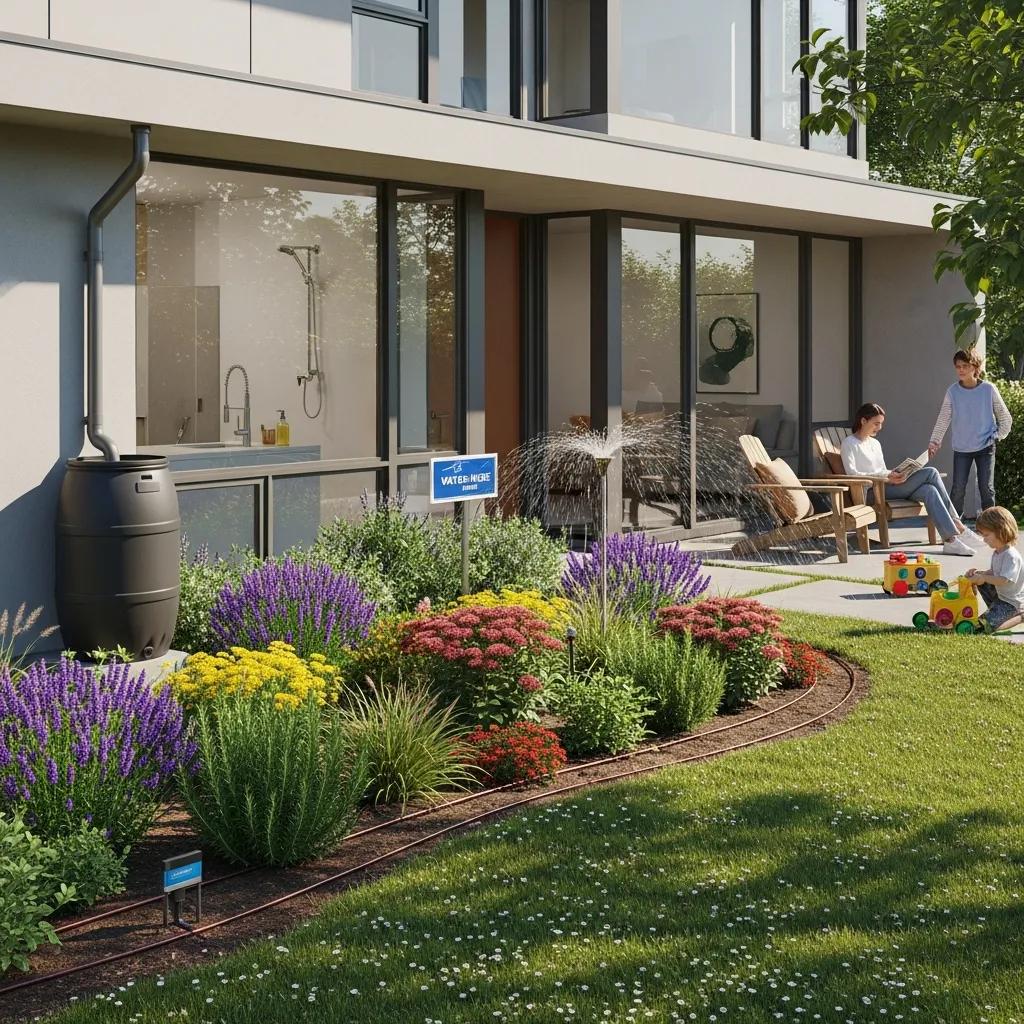
Water conservation measures are focused changes to plumbing, landscaping, and home systems that cut potable water use without sacrificing performance. This guide shows contractors why water‑efficient upgrades deserve priority, how technical and smart solutions produce measurable savings, and how to package those services profitably. You’ll get practical retrofit and new‑build options—low‑flow fixtures, smart irrigation, rainwater and greywater systems—plus sales tactics, compliance checkpoints, and a step‑by‑step audit process that proves ROI to homeowners. We map installation notes, contractor‑facing selling language and objection responses, fixture performance comparisons, and compliance checklists tied to common certifications. Throughout, we fold in sales training resources designed to convert technical value into closed jobs and recurring revenue. By the end of this guide you should be able to specify, sell, and install water‑efficient upgrades that raise ticket size, cut clients’ utility bills, and set your business apart in a sustainability‑minded market.
Why contractors should make water conservation a priority
In home improvement, water conservation reduces indoor and outdoor potable use through better fixtures, smarter controls, and smarter design. It works by lowering flow rates, optimizing schedules, and capturing or reusing non‑potable sources to trim consumption and bills. The payoff is twofold: homeowners get lower utility costs and a smaller environmental footprint; contractors win larger scopes, better margins, and more repeat business from eco‑minded clients. Putting water efficiency front and center positions your business in a growing market where demand and regulation reward verified savings. The next section shows how to surface homeowner interest and use sustainability preferences to steer sales conversations.
How water efficiency taps into rising homeowner demand for sustainable homes
Homeowners increasingly ask for eco‑friendly upgrades that lower operating costs and support environmental goals. Contractors who talk plainly about water savings capture that demand. During initial visits, a few discovery questions—about irrigation timing, past leaks, or goals for lower bills—reveal pain points and willingness to invest, letting you recommend targeted solutions. Frame upgrades as both environmental wins and household investments, cite expected annual gallon savings and rebate options, and make the benefit concrete. That simple, practical approach sets up the value discussion that closes jobs sooner rather than later.
How water‑efficient upgrades boost profits and project value
Water‑efficient work expands scope and raises average ticket through upgraded products, installation labor, and optional service plans that bring recurring revenue. Utility savings and available rebates lower the homeowner’s net cost and improve perceived ROI; use payback timelines and before/after usage comparisons to anchor value. Bundled offers—fixtures plus smart controls plus maintenance—lift close rates and create upsell moments on estimates. Documented savings and compliance let you command premium pricing, which drives referrals and repeat customers.
Most effective water‑efficient home upgrades contractors should offer
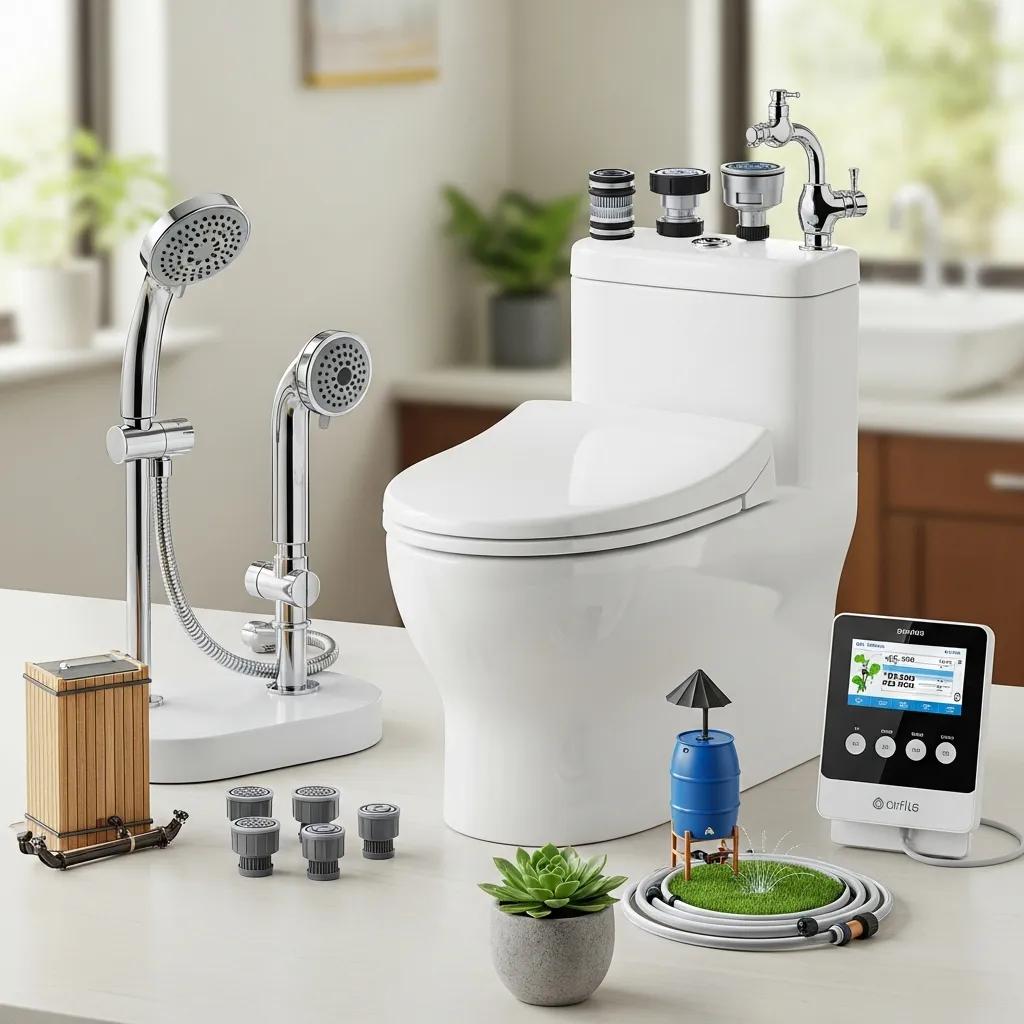
Water‑efficient upgrades reduce indoor and outdoor potable use by lowering flows, improving control, or adding alternate water sources. They typically replace high‑use components and add management systems that eliminate waste and optimize delivery.
The most impactful approaches combine low‑flow fixtures, pressure regulation, smart irrigation, and rainwater or greywater reuse to deliver clear annual savings and homeowner payback.
Below is a concise list of the top upgrades to prioritize when you’re proposing work.
Top water‑efficient upgrades contractors can sell:
- Low‑flow toilets: Replace older 3.5–7 gpf units with 1.28 gpf or WaterSense models to cut per‑flush volume.
- Low‑flow showerheads and faucets: Reduce gallons‑per‑minute on high‑use fixtures to lower household consumption.
- Smart irrigation controllers and sensors: Automate watering, prevent overwatering, and adapt schedules to weather.
- Pressure‑reducing valves and leak‑detection systems: Stop losses and protect plumbing from pressure‑related damage.
- Rainwater harvesting and greywater systems: Offset irrigation and other non‑potable uses with captured water.
These options span low‑complexity installs (fixtures) to higher‑impact systems (harvesting/reuse), helping you match scope to budget and site conditions. The next section compares legacy and efficient fixtures, with installation notes and estimated savings.
How low‑flow toilets, showerheads, and faucets save water
Low‑flow fixtures lower per‑use consumption by cutting flow rates or flush volumes while preserving the user experience through better design and pressure management. Modern toilets, showerheads, and faucets use improved bowl geometry, pressure‑assist mechanisms, and aerators to keep performance while reducing volume. Address performance myths—good pressure doesn’t need high flow—and recommend pressure‑reducing valves where overpressure is an issue. Most fixture swaps are quick installs and qualify for local rebates, making them strong entry‑level upsells that lead to larger projects.
Fixture types deliver measurable annual savings and different cost/benefit profiles useful for quick proposal comparisons.
| Fixture | Typical flow / volume | Estimated annual gallons saved | Typical installed cost | Typical payback period |
|---|---|---|---|---|
| Toilet (old 3.5–7 gpf → 1.28 gpf) | 1.28 gpf | 2,000–13,000 gal/year (household‑dependent) | $200–$600 | 1–5 years |
| Showerhead (≥2.5 gpm → 1.5–2.0 gpm) | 1.5–2.0 gpm | 1,000–5,000 gal/year | $25–$150 | <2 years |
| Faucet aerator (≥2.2 gpm → 0.5–1.5 gpm) | 0.5–1.5 gpm | 500–2,000 gal/year | $5–$60 | <1 year |
Use this table to present clear comparisons on estimates and prioritize fixture recommendations during site visits. The section below outlines smart water management systems and related service opportunities.
What smart water management systems do and why they matter
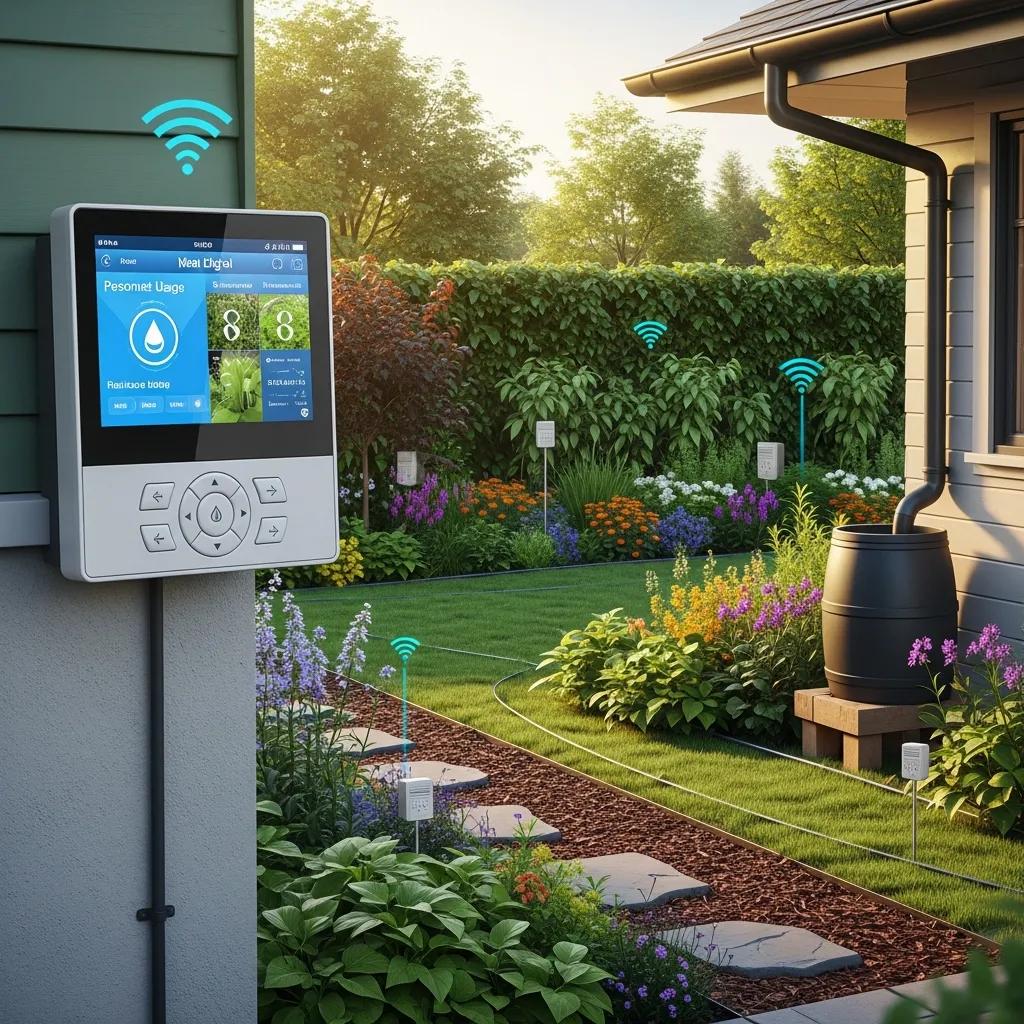
Smart water management includes weather‑based irrigation controllers, soil moisture sensors, whole‑home water monitors, and leak detectors that alert homeowners to anomalies. These systems save water by stopping unnecessary irrigation, catching hidden leaks early, and enabling data‑driven maintenance that cuts long‑term losses.
Installation typically involves wiring, sensor placement, and app setup; you can sell ongoing monitoring or maintenance plans to capture recurring revenue. Bundling smart controls with landscape or fixture upgrades produces higher‑value proposals and steady service income.
How to sell sustainable plumbing solutions and water conservation measures
Selling sustainable plumbing means translating technical savings into homeowner benefits—lower bills, property protection, and environmental outcomes. It works best when you combine clear ROI metrics, visual aids, and confidence in expected performance. Effective sales use simple payback math, local incentive info, and modular bundles that make decisions easy for homeowners.
The following subsections give concrete client‑education tactics and concise objection responses to use on estimates and in person.
Client education tactics that highlight ROI and environmental impact
Start client education with a short definition of the measure, followed by a simple annual savings estimate and rebate info to reduce sticker‑shock. Provide a one‑page comparison showing current vs projected water use, annual cost savings, and payback so homeowners can scan benefits fast. Visuals—before/after usage charts or a rebate snapshot—help clients see results and build trust. End with a clear action plan and maintenance expectations to set post‑install touchpoints and prime buyers for bundled offers.
- Lead with a one‑line ROI: projected annual savings and payback.
- List 2–3 local rebates or incentives that cut net cost.
- Include a quick before/after usage chart to make savings tangible.
These steps make the value obvious and smooth the way past cost objections.
How to handle cost objections when selling water‑efficient solutions
Beat cost objections by reframing price as investment, offering financing or rebate pathways, and showing lifetime savings and added home value. Use anchoring (show the premium package first), convert savings into monthly equivalents, and offer phased installs so homeowners can start small. Have concise rebuttals ready: if they worry about performance, offer a performance‑backed product with a short warranty; if cost blocks them, show the rebate‑adjusted net price and multi‑year savings. These tactics increase acceptance and open the door to maintenance contracts that create recurring revenue.
Advanced water conservation technologies contractors should know
Advanced options—rainwater harvesting, greywater recycling, and xeriscaping—lower potable demand by substituting non‑potable sources and cutting outdoor irrigation. They rely on collection, basic treatment, and controlled reuse for approved non‑potable uses. Know permitting, system parts, and maintenance needs so you can advise clients responsibly.
Rainwater harvesting captures roof runoff for storage and non‑potable uses; greywater systems divert shower and laundry flows for irrigation. Both reduce mains demand but differ in complexity, treatment, and allowable uses. Assess roof area, yield, storage, and local code limits when sizing systems—those factors drive installation complexity, cost, and the homeowner’s expected potable offset.
Rainwater vs. greywater: selection criteria at a glance:
| System | Source water | Permitted uses | Installation complexity | Typical cost range | Expected water savings |
|---|---|---|---|---|---|
| Rainwater harvesting | Roof runoff | Irrigation, toilet flushing (where allowed) | Moderate (tank, filters, pump) | $1,500–$10,000+ | 20–60% of outdoor use |
| Greywater recycling | Shower, lavatory, laundry wastewater | Subsurface irrigation, some landscape uses | Higher (diversion, treatment lines) | $2,000–$12,000+ | 30–80% of irrigation demand |
| Rain barrels (simple) | Roof runoff | Garden irrigation (gravity‑fed) | Low (barrel, basic filter) | $100–$1,000 | Small, seasonal offsets |
How rainwater harvesting and greywater systems operate
Rainwater systems collect roof runoff into cisterns or tanks, remove debris with filters and first‑flush devices, and deliver water by gravity or pump for irrigation or permitted indoor non‑potable uses. Typical components include gutters, diverters, filters, storage, and distribution plumbing.
Greywater systems divert lightly soiled household wastewater through treatment or settling stages before routing it to subsurface irrigation or designated reuse zones. They require separation plumbing and backflow prevention. Maintenance—filter changes, seasonal draining, and periodic flushing—and local permitting determine system viability and lifetime cost. Explain these operational differences clearly so homeowners understand ongoing responsibilities.
At its core, rainwater harvesting and greywater reuse deliver water savings and reduce potable demand—benefits that compound when adopted broadly.
Rainwater harvesting and greywater recycling: benefits and strategy
These technologies primarily reduce water consumption and lessen pressure on supply infrastructure. Cost savings can benefit both the water user and the utility, and local uptake multiplies community‑level benefits. Each project should start with a water audit to establish current usage and identify demands that captured water can meet. Public awareness, consistent standards for fittings, and legal criteria for rainwater quality help scale adoption. Treat these systems as parts of an overall water‑conservation strategy and evaluate each site on its own merits.
Benefits of drought‑tolerant landscaping and xeriscaping
Xeriscaping and drought‑tolerant landscape design cut irrigation by using native or low‑water plants, smart mulching, soil improvements, and efficient irrigation zoning. They align plant needs with microclimates and replace turf with lower‑demand groundcovers. Benefits include large outdoor water reductions, less maintenance, and better drought resilience—appealing to homeowners who want long‑term savings and simpler upkeep. Partnering with landscape pros lets you offer combined irrigation retrofits and planting plans that increase project value and client satisfaction.
How contractors ensure compliance with water efficiency standards and certifications
Compliance means specifying products and practices that meet codes and certifications—EPA WaterSense, CalGreen, LEED—so installations pass permitting and support verifiable performance claims. Compliance strengthens credibility with clients and reduces friction on permitted work.
The table below summarizes key programs and what contractors should reference in proposals.
| Program / code | Scope | Key requirements | Benefit to contractor |
|---|---|---|---|
| EPA WaterSense | Product labeling and program specs | Use WaterSense‑labeled fixtures that meet performance standards | Consumer trust and easier product selection |
| CalGreen | California building code water efficiency measures | Set flow rates, efficiency targets, and mandatory measures for some projects | Ensures compliance on permitted work and meets state standards |
| LEED (water credits) | Green building rating system | Points for reduced indoor/outdoor water use and innovative wastewater strategies | Market differentiation for high‑performance projects |
Keep this checklist handy when specifying products and talking benefits with clients. The next subsection offers a practical compliance checklist you can use during scope development.
Key local and national codes contractors should watch
Codes like CalGreen set minimum water‑efficiency standards for fixtures and landscapes where they apply, usually specifying flow rates, irrigation efficiency, and required permit documentation. Confirm which projects trigger code requirements—typically remodels with plumbing changes, additions, and new construction—and choose products accordingly. Put a simple compliance checklist on every bid: fixture flow rates, irrigation controls, pressure regulation, and permit paperwork. That checklist speeds permitting and reassures homeowners that your work meets or exceeds local rules.
How EPA WaterSense boosts contractor credibility
WaterSense labeling signals that a product meets verified efficiency and performance criteria. Specifying WaterSense fixtures simplifies product choice, reassures homeowners, and can qualify projects for rebates. Train your sales team to cite WaterSense as objective proof of performance and include documented savings in estimates to strengthen bids.
Professional plumbers are central to delivering water efficiency; involving them in code and technology discussions raises industry standards and implementation quality.
Water efficiency and the professional plumbing sector: training and innovation
Professional plumbers are essential to implementing water‑efficiency measures. Raising standards requires including plumbers in conversations about codes and new technologies, plus targeted retraining. Programs like GreenPlumbers transfer practical knowledge on water‑efficient technologies and policies into day‑to‑day practice. Building capacity through focused training helps the industry adopt higher water‑efficiency standards and innovate responsibly.
How home water audits add value to contractor services
A home water audit is a structured check that identifies water use, leaks, and retrofit opportunities. It combines utility bill review, on‑site inspection, and simple tests to produce a prioritized action plan with estimated savings. Offering audits as a paid service or lead tool builds trust and uncovers upsell opportunities for fixtures, controls, and system retrofits.
Key steps in a practical home water audit contractors can offer:
- Intake and utility review: Gather household size, irrigation schedule, and recent water bills to benchmark use.
- Visual inspection: Check fixtures, visible leaks, irrigation condition, and pressure settings across the property.
- Fixture testing: Run bucket‑and‑timer shower tests, toilet dye tests, and faucet/shower flow checks.
- Irrigation audit: Review controller settings, sensor calibration, and head efficiency; note run times and overspray.
- Prioritized recommendations: Deliver a short report listing quick fixes, retrofit priorities, estimated savings, and rebates.
- Proposal and options: Present phased upgrade packages and optional maintenance contracts to capture the work.
Step‑by‑step: performing a home water audit
Start with bill analysis, move through on‑site inspections and simple flow tests, and finish with a prioritized action plan that lists costs and savings. Use straightforward diagnostics—bucket tests for shower flow, dye for toilet leaks, and pressure checks—to produce defensible savings estimates. Give homeowners a concise report that highlights immediate fixes, recommended retrofits, and timing for further investments. Offer financing or rebate paths to lower adoption barriers. A clear audit process uncovers revenue and builds trust that converts to larger projects.
How leak detection and repair drive efficiency and satisfaction
Hidden leaks—running toilets, pinhole pipe leaks, broken irrigation lines—can waste hundreds to thousands of gallons before visible damage appears. Finding and repairing leaks restores efficiency and cuts bills immediately. Offer leak detection as a standalone service or part of an audit using acoustic detectors, pressure‑drop tests, and visual inspection to pinpoint issues. Present repairs inside a prioritized plan to show immediate value and create openings to recommend upgrades like new fixtures or a whole‑home monitor. Fast repairs boost client satisfaction, reduce warranty risk, and create repeat‑service opportunities.
To turn audit insights into more closed work, invest in structured sales training that focuses on language, objection handling, and ROI presentation. Home Improvement Closer offers contractor‑focused sales training based on the RPC Framework—Rapport, Professionalism, Close—designed by contractors for contractors. Their three‑tier program includes a free Foundation tier, a Mastery tier at $149/month (billed annually at an effective $124/month), and an Ownership tier at $250/month (billed annually at an effective $208/month). Training emphasizes consultative selling (no high‑pressure scripts), includes community access and 1‑on‑1 consultation opportunities, and comes with a 60‑day money‑back guarantee to lower adoption friction.
This final step converts audit findings into paid work and recurring revenue through clear sales language and practiced objection handling. For contractors scaling water‑efficiency sales, the free Foundation tier provides immediate tactics while paid tiers deepen mastery and ownership of the sales process.
Frequently Asked Questions
What are the first steps contractors should take to implement water conservation measures?
Start with a full property assessment to understand current water use and opportunities. Review recent water bills, inspect fixtures for leaks, and evaluate irrigation systems. From there, prioritize upgrades by potential savings and client budget. Educate homeowners about benefits and rebates to secure interest and commitment.
How can contractors market water‑efficient upgrades to homeowners?
Market the twin benefits—lower bills and a smaller environmental footprint. Use quick visuals like before/after water‑use comparisons and short case studies to show results. Offer free consultations or home water audits as lead generators so you can demonstrate expertise and tangible benefits in person.
What financing options help homeowners afford water‑efficient upgrades?
Homeowners can tap local and utility rebate programs to lower upfront cost. Contractors can point to low‑interest loans, financing plans, or partnerships with lenders to spread payments. Providing clear rebate and financing pathways makes it easier for clients to move forward.
How do local regulations affect water conservation projects?
Local codes often set minimum standards for plumbing and landscape water efficiency. Stay current on programs like CalGreen and WaterSense so installations comply with permitting. Compliance avoids fines and positions you as a knowledgeable pro who follows best practices.
How can contractors keep up with new water conservation technologies?
Stay current through ongoing education: industry conferences, training programs, trade publications, and professional networks. Join relevant associations and partner with suppliers and landscape pros to learn about new products and installation best practices.
What long‑term benefits do homeowners get from water‑efficient upgrades?
Homeowners gain lower utility bills, reduced maintenance, and often higher property value. Sustainable upgrades also make homes more resilient to drought and more attractive to eco‑conscious buyers. Over time, these changes create a more efficient, comfortable, and cost‑effective home.
Conclusion
Water conservation cuts utility costs for homeowners and improves home sustainability—an easy win for both clients and contractors. Contractors who adopt water‑efficient services can grow offerings, capture a market focused on eco‑friendly solutions, and build stronger client relationships. Educate clients, document savings, and use bundled offers to win more work. Start with the resources here to lift your business and meet growing demand for water‑efficient home improvements.