

How to Handle "I Need to Think About It" — A Practical Playbook for Home Improvement Pros
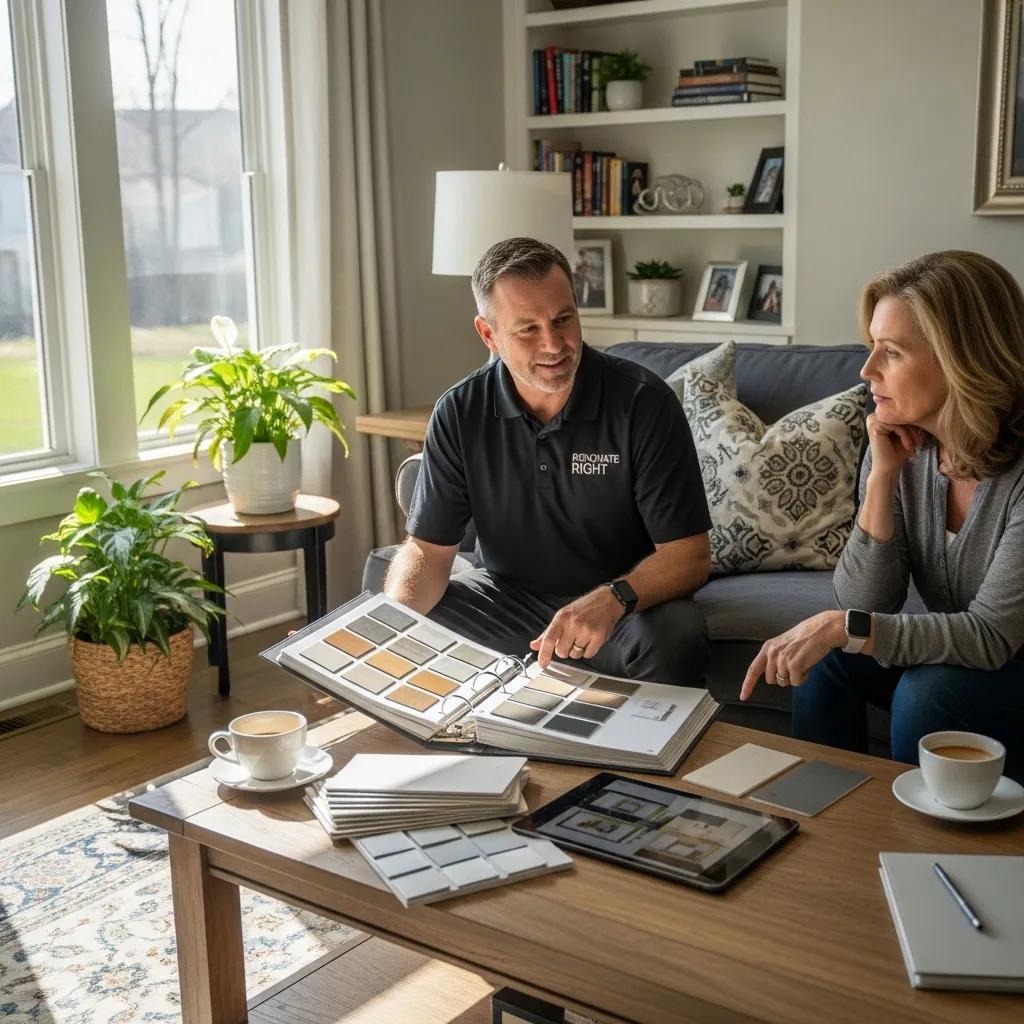
Hearing "I need to think about it" is one of the most common ways prospects stall — and it can mean anything from honest hesitation to a polite pass. This guide shows you how to read the real reason behind that line, use short diagnostic scripts and follow-up sequences to move decisions forward, and create ethical urgency that protects your price and the relationship. We lay out a practical playbook you can use on-site or over the phone: diagnostics, the RPC (Rapport → Professionalism → Close) sales system, urgency language, mindset shifts, and community practice. Expect field-tested scripts, quick role-play examples, and comparison tables that make it clear when to use each tactic. When you finish this piece you’ll have exact follow-up language, a flow for uncovering hidden objections, and a plan to practice these skills with your team.
What the "I Need to Think About It" Objection Really Is — and Why It Happens
When a prospect says "I need to think about it," they’re pausing the buying process. It can be a genuine decision pause, a polite rejection, or a stall so they can compare options. Home improvement choices are big, disruptive, and trust-dependent, so wanting more time is normal. The better you can tell which reason is driving the pause, the smarter your next step will be — and the more effectively you can protect your price and schedule. Below we break the objection into clear behavior types and highlight the contractor-specific mistakes that make this stall sticky.
What does "think about it" usually mean in sales?
There are three common readings: genuine consideration, a soft no, or a deliberate stall. Genuine buyers are gathering facts — timeline, budget, or partner input. A soft no is low interest wrapped in politeness. A stall usually signals shopping around or avoiding a direct answer. Identifying which one you’re facing lets you choose the right move: diagnostic questions for genuine buyers, trial closes for soft nos, and urgency or value reinforcement for stalls. Keep diagnostic phrases short and direct, test intent, then use the appropriate script to push toward a concrete next step.
Why do contractors get stuck on this objection?
Contractors get stuck because they take the objection personally, don’t have a repeatable follow-up cadence, and default to discounts to close. Emotional reactions lead to inconsistent timing and fuzzy next steps, which teaches prospects to delay decisions. Price insecurity is another big driver — when contractors can’t defend price confidently they give concessions that encourage stalling. Closing those operational and mindset gaps — clear next steps, consistent cadences, and price-defense training — cuts down on "I need to think about it" delays.
Proven Tactics to Move Hesitant Prospects Toward a Decision
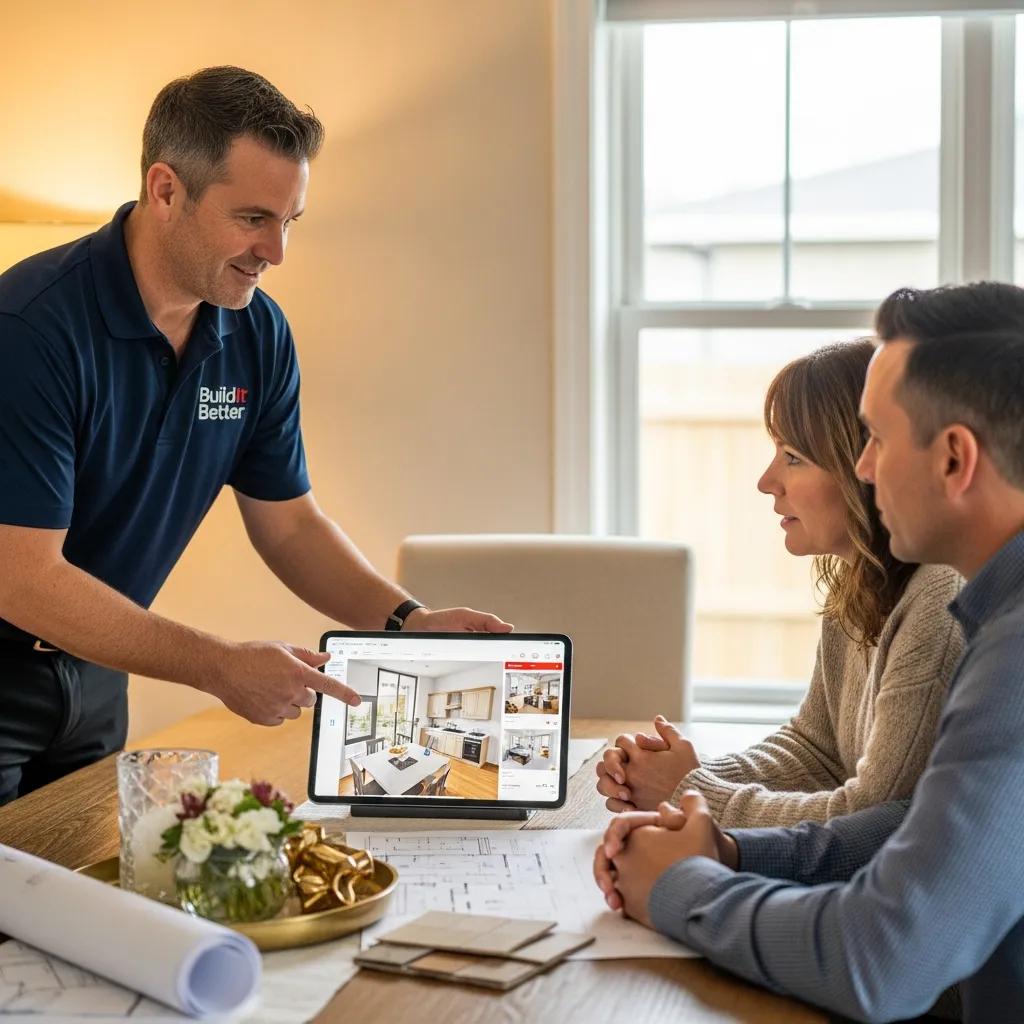
Beat this objection with a system that combines rapport, professional risk reduction, and decisive closing — that’s the RPC framework — plus focused objection-handling tools like trial closes, assumptive language, and scoped alternatives. These tactics shorten decision time by clarifying next steps, reinforcing value, and removing the barriers that cause hesitation. Below we explain RPC in practical terms, give scripts that defend price without discounting, and include a quick comparison table to pick the right approach for the situation. After you learn these, practice them in short role-plays and follow a consistent sequence to lift conversion.
How the 3-step RPC system gets prospects from maybe to yes
RPC stands for Rapport → Professionalism → Close. Rapport builds trust and lowers resistance. Professionalism shows a predictable process and reduces perceived risk. The Close creates forward momentum and locks in a next step. In practice: ask three paced rapport questions to surface priorities and past pain, present a clear scope, timeline, and warranty to remove ambiguity, then use assumptive language and a scheduling ask to convert. Use this as an on-site checklist: three rapport questions, one guarantee statement, a scoped proposal, and a defined closing ask that assumes the job will move forward unless a material objection appears.
How to defend price without reflexively discounting
Defend your price by framing value, offering scope adjustments, changing payment structure, or using timeline-based scarcity — not by cutting rates. Value framing ties cost to outcomes like durability, warranty coverage, and long-term savings. Scope adjustments give phased options that preserve margin. Payment tweaks (deposits, milestone billing) change how cost feels without lowering it.
Try a script like: "Given the materials and warranty we discussed, this investment protects you for X years — would you rather start next month or the month after?" That keeps your price intact while moving the timeline forward.
Pick the handling technique that matches the buyer’s intent and the trust you’ve built.
| Approach | When to use | Sample phrasing | Pros / Cons |
|---|---|---|---|
| Deflect & Return | When the buyer stalls to avoid details | "I get it — what part do you still want to think through?" | Pros: uncovers real concern; Cons: needs follow-up |
| Assumptive Close | When rapport and signals are strong | "Great — which day next week should we pencil in to start?" | Pros: high conversion if timed right; Cons: can feel pushy if trust is low |
| Trial Close | When the buyer is unsure about a specific feature | "If we include X, would that solve your main concern?" | Pros: quick test of interest; Cons: requires clear options |
How to Create Urgency That’s Ethical — Not Pushy

Ethical urgency ties the decision to real constraints — material lead times, seasonal windows, or schedule slots — while reducing risk with guarantees or clear cancellation terms. That approach makes the cost of delay tangible without damaging the relationship. Below are practical language lines, dos and don'ts, and a comparison table so you can choose the urgency mechanism that fits your customer and protects your reputation.
Words that build trust and move the timeline
Combine empathy with a concrete limit to create low-pressure urgency. Examples: "We have two openings next month — if you want that timing we should lock a deposit now," or "Material lead times mean delivery shifts after X date — want me to hold the current pricing while you decide?" Those phrases pair a fact with respect for the homeowner’s process.
Dos: state facts, give clear choices, and lower risk with warranties or fair cancellation terms. Don'ts: avoid threats, manipulative time-limited discounts, or vague pressure language. Do the hard work of being factual and respectful — that prompts action without eroding trust.
How to surface and solve hidden objections behind "I need to think about it"
Use short diagnostic probes to find what’s really behind the pause: "Who else needs to weigh in?", "What would you need to see to feel comfortable?" or "Is budget the only thing holding this up?"
Map answers to three common patterns — partner approval, budget limits, or comparison shopping — and offer a tailored next step: a joint call, a phased scope, or a concise value recap with references. Once you know the hidden objection, give a specific, low-friction next step — schedule a 10-minute follow-up, send a one-page scope summary, or propose a deposit to hold price. That turns vague hesitation into a clear decision point without pressure.
| Urgency Mechanism | Perceived pressure | Trust impact | Time to implement |
|---|---|---|---|
| Limited schedule slots | Low–Medium | Neutral–Positive | Immediate |
| Material lead times | Low | Positive (factual) | Short |
| Seasonal windows | Medium | Positive when explained | Short–Medium |
Why Mindset Matters — Move from Operator to Owner
Shifting from an operator mindset to an owner mindset changes how you interpret objections and respond to price pressure. Owners build repeatable processes, delegate, and protect margin; operators chase every lead and react emotionally. Practicing owner routines — brief debriefs, role-play, and win tracking — reduces emotional swings and makes follow-up consistent. The sections below define the shift and give daily practices to stop taking objections personally and keep selling confidence high.
What the operator-to-owner shift looks like and why it matters
The shift reframes you from a reactive problem-solver to a strategic decision-maker: owners set prices, manage the pipeline, and design repeatable sales steps; operators react to each lead and to rejection. Owners protect margin, delegate admin tasks, and invest in training that scales conversion instead of relying on charisma. Start by documenting a follow-up sequence, delegating scheduling, and tracking a few key sales metrics — those moves free time for higher-value selling and reduce the urge to discount after an objection.
How to stop internalizing rejection and stay confident
Build simple routines that separate outcome from self-worth: a short debrief form after every lost or delayed sale, a weekly win log, and scheduled role-play sessions to practice responses. Keep debriefs factual — timeline, objections, next steps — and let the win log reinforce competence. Peer accountability and regular script practice turn anxiety into concrete improvement actions. Over time these habits rewire reactions into disciplined follow-up that raises close rates and lowers emotionally driven concessions.
The Power of Community: Practice, Feedback, and Faster Improvement
Community and expert support speed skill retention by giving you feedback, role-play partners, and a tested phrase library you can adapt on the job. Learning in a group reduces isolation and converts scripts from theory into muscle memory through repetition and critique. Below we explain how live Q&A and peer activities sharpen objection handling and how structured feedback loops keep your language and confidence sharp.
How live Q&A with experts accelerates learning
Live Q&A gives immediate feedback, demonstrates model answers, and lets you do role-play with coach critique — all of which shortens the learning curve. Coaches catch subtle language mistakes, founders model high-level framing, and recordings create a replayable reference. A typical session runs: quick case presentation, live role-play, targeted critique, and a short action assignment. That loop builds competence fast and gives you ready-to-use language for your next appointment.
Why peer support matters when scaling sales
Peers supply templates, accountability for follow-up, and a safe place to role-play under pressure without a real customer. Deal reviews, hot-seat practice, and shared objection libraries let you test phrasing, benchmark outcomes, and borrow sequences that work. Peers also share practical tweaks for real-world conditions, helping you adopt winning language faster while protecting margin. Regular peer practice makes consistent follow-up and price defense a habit, not an afterthought.
Training and Resources from Home Improvement Closer
Home Improvement Closer offers structured training and a community designed to help contractors master objections like "I need to think about it" through systems, scripts, and live practice. Offerings span multiple tiers and include a free 1-on-1 consultation to diagnose bottlenecks. Tier 2: Mastery focuses squarely on objection handling and practical role-play so teams can build confidence and defend pricing. Below is a clear comparison of what each tier delivers for teams that want to apply the tactics in this guide.
| Tier | Includes | Benefit |
|---|---|---|
| Tier 1: Foundation | Free entry resources and basics | Introduces RPC concepts and basic scripts |
| Tier 2: Mastery | Objection modules, live practice, community access | Mastery of 11 common objections (including "think about it"); pricing-defense training |
| Tier 3: Ownership | Advanced coaching and business-scaling content | Owner-level mindset work and delegation frameworks |
How Tier 2: Mastery tackles the "think about it" objection
Tier 2: Mastery teaches the exact scripts, price-defense frameworks, and live role-play methods covered here, with modules focused on the 11 most common objections including "I need to think about it." The program emphasizes live practice, defending price without discounting (including frameworks that support charging 20–30% more without losing deals), and using community feedback to tighten language. Recorded lessons let you replay model answers between sessions so you keep improving.
What to expect from the free 1-on-1 diagnostic session
The free 1-on-1 is a focused diagnostic: we review pricing, common objection patterns, and your process gaps, then deliver an actionable plan you can start using right away. Expect a quick audit of your sales sequence, a prioritized list of fixes, and a recommendation on whether Tier 1, Tier 2: Mastery, or deeper coaching is the best next step. The goal is to move you from analysis to concrete actions you can test on your next appointments.
- Book a diagnostic session: Bring recent pitch scripts and typical objection examples.
- Apply one tactic this week: Test a single script or urgency line on two appointments.
- Review with peers: Run a short role-play to refine phrasing and measure responses.
These steps turn learning into measurable behavior change and connect training to on-the-job practice.
| Resource | Feature | Practical outcome |
|---|---|---|
| Free 1-on-1 consultation | Diagnostic coaching | Clear next steps and prioritized fixes |
| Community access | 500+ pros, peer practice | Faster adoption of winning scripts |
| Live/recorded Q&A with founders Shai and Ron | Direct expert feedback | Improved framing and pricing confidence |
Frequently Asked Questions
What are common reasons clients say "I need to think about it"?
There are several typical motivations: genuine deliberation about budget or timing, needing partner approval, a polite way to decline, or a stall tactic to compare competitors. Knowing which reason applies lets you tailor your response and guide the client toward a decision.
How should contractors follow up after hearing this objection?
Follow up with a structured touch: schedule a brief check-in within a few days, ask open questions to uncover hidden objections, and reinforce the key value points from your proposal. Offer a small, low-friction next step — a short call, a one-page summary, or a hold deposit — to turn hesitation into a concrete decision point.
What role does emotional intelligence play in handling objections?
Emotional intelligence is central. Contractors who listen, empathize, and validate concerns build trust and open honest dialogue. That makes it easier to address the issue and keeps the relationship intact even when the answer is no.
How can contractors create urgency without being pushy?
Create urgency with factual constraints: limited schedule slots, upcoming price changes, or material lead times. Phrase it respectfully: "We have a few openings next month; I can hold your pricing for a short time if that helps." That nudges a decision while honoring the homeowner’s process.
What are effective scripts for overcoming "think about it"?
Good scripts are short and focused on uncovering the barrier. Try: "I understand — what specific information would help you decide?" or "If we can solve the budget concern, would you be ready to move forward?" These prompts invite a problem-solving conversation instead of a dead-end stall.
How does role-playing improve objection handling?
Role-play lets you practice in a low-risk setting, get immediate feedback, and refine language until it feels natural. Rehearsal builds confidence so responses become automatic in real customer conversations. Regular practice makes effective scripts second nature.
Where can contractors find resources to improve sales skills?
Contractors can join training programs, workshops, and peer communities. Home Improvement Closer offers structured modules, live practice, and peer feedback focused on objection handling. Local trade groups and online forums also provide practical tips and real-world examples you can adapt.
Conclusion
Handling "I need to think about it" well lets you protect margin, shorten sales cycles, and build better client relationships. By diagnosing the real reason for hesitation, using the RPC framework, and creating ethical urgency, you’ll move more prospects to clear next steps without compromising trust. Start small: test one script this week, run a short role-play with a peer, and book a diagnostic call to prioritize your next moves.