

Applying the Law of Reciprocity in Sales: Use Value-First Techniques to Build Trust and Close Deals
The law of reciprocity is simple and reliable: when you give real value first, people feel compelled to return the favor — and in sales that often shows up as higher close rates. This piece walks contractors through reciprocity-driven tactics — from free inspections to educational leave-behinds — that reduce buyer risk, build trust, and speed decisions on big-ticket home improvement work. You’ll get the psychology behind reciprocity, trade-specific tactics for roofing, HVAC, and remodeling, and step-by-step sequencing to turn value offers into appointments and signed contracts. We also map these tactics into an operational system — RPC (Rapport, Professionalism, Close) — so you can give value without sounding pushy. Sections cover the science of reciprocity, practical lists of value offers, trust-building through rapport and professionalism, how RPC applies, advanced objection handling, and how Home Improvement Closer’s training tiers help you roll this out. Keep reading for scripts, comparison tables, and a clear path to applying reciprocity in your sales process.
What the Law of Reciprocity Means in Sales — and Why It Matters
In sales, reciprocity is the social rule that people repay favors. Used ethically, it increases prospect commitment by creating goodwill and a sense of obligation. Reciprocity lowers friction: a homeowner who gets free, useful expertise feels less risk and more trust, so they’re more open to proposals and price. For high-cost home-improvement projects — where trust and perceived risk are major barriers — reciprocity turns “Why trust this contractor?” into “How can I work with this contractor?” That shortens sales cycles and improves close rates. Knowing how reciprocity works helps contractors design offers that are low-cost to deliver but high in perceived value — a must for trades like roofing and remodeling. The next section breaks down the psychology and brain mechanisms that make reciprocity effective.
How Reciprocity Works in Sales Psychology
Reciprocity works through social norms, perceived indebtedness, and emotional responses that influence decisions. When you give a free inspection or an educational estimate, homeowners feel gratitude and a subtle obligation that increases trust and lowers price resistance — and that emotional reciprocity often converts into bookings. Behavioral research shows even small helpful acts create social capital and a bias to reciprocate. In the field, this looks like a clear, helpful walkthrough of a roof issue that leads to an on-the-spot scope increase or a signed estimate. Understanding the timing, specificity, and visible effort behind these gestures lets you design value offers that reliably increase follow-ups and conversions.
Who Robert Cialdini Is and Why His Work Matters Here
Robert Cialdini is a social psychologist whose book Influence named reciprocity one of six core persuasion principles. His research shows small, unsolicited concessions dramatically increase compliance. Cialdini’s findings give contractors a tested framework: structure offers so they feel genuine and proportionate — for example, a short inspection plus a clear next-step recommendation — and the homeowner’s response stays voluntary, not coerced. Using his ideas helps you avoid manipulative moves and focus on trust-building gestures that produce measurable results like higher appointment-show rates.
How Contractors Can Give Value Upfront Using Reciprocity
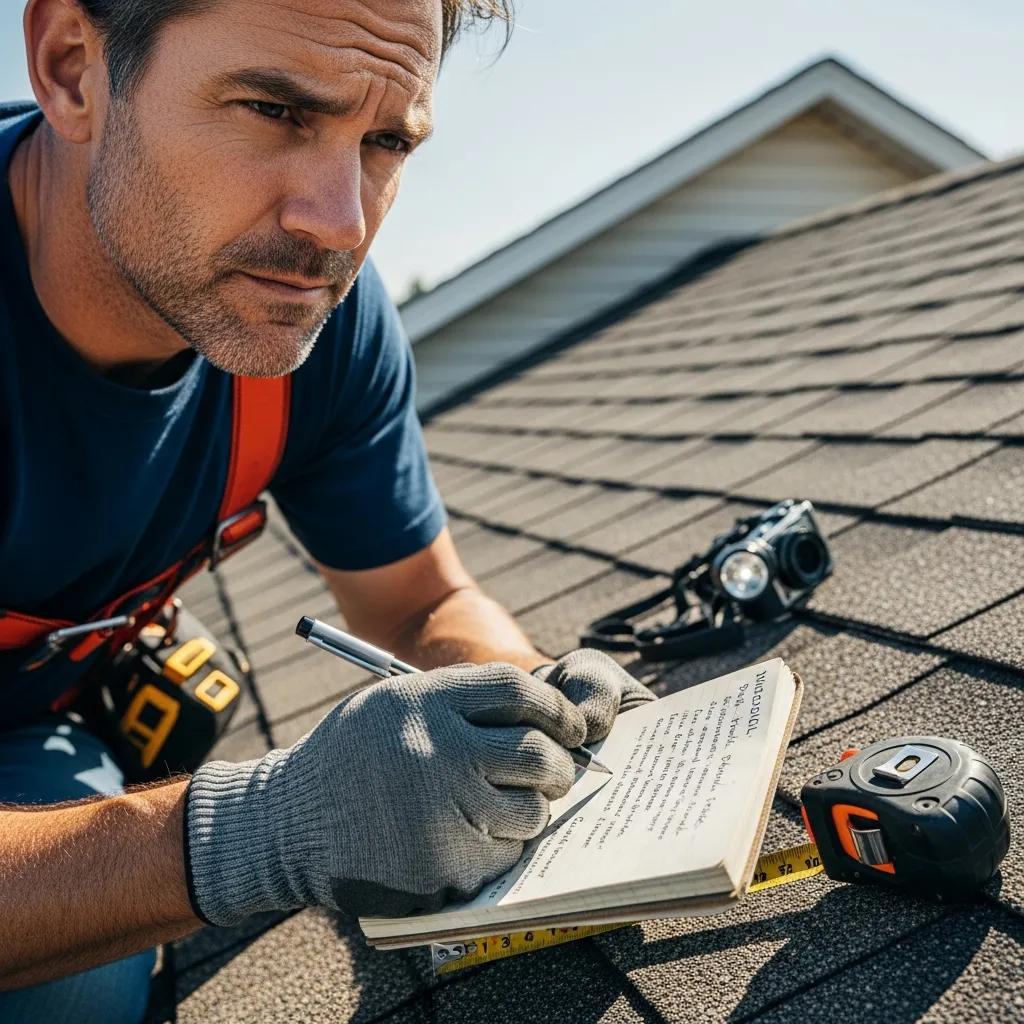
Giving value upfront means offering helpful services or information that cost little but raise perceived expertise and obligation. Pick offers that match your trade and your sales funnel. Scalable, repeatable options — a concise free inspection, an educational leave-behind, or a short diagnostic video — can be delivered consistently and measured through appointment and close rates. Below is a practical comparison of common value offers, outlining cost/time, reciprocity impact, and expected sales lift so you can decide which tactics to pilot.
Intro to the EAV table: This table compares typical upfront value tactics contractors use, with the attributes that matter for deployment and the practical value they deliver.
| Value Offer | Cost / Time | Impact on Reciprocity | Expected Sales Uplift |
|---|---|---|---|
| Free inspection | Low cost, 20–45 minutes | High perceived effort and expertise | +10–25% appointment-to-close |
| Educational leave-behind (one-pager) | Low cost, 10–20 minutes prep | Medium; reinforces expertise after visit | +5–15% follow-up engagement |
| Short video demo of issue | Moderate cost, 30–60 minutes to create | High emotional clarity; durable impression | +8–20% conversion |
| Free minor repair or temporary fix | Low–moderate cost, 30–90 minutes | Very high perceived value and obligation | +15–30% close rate |
Effective Value-First Sales Strategies for Home Improvement
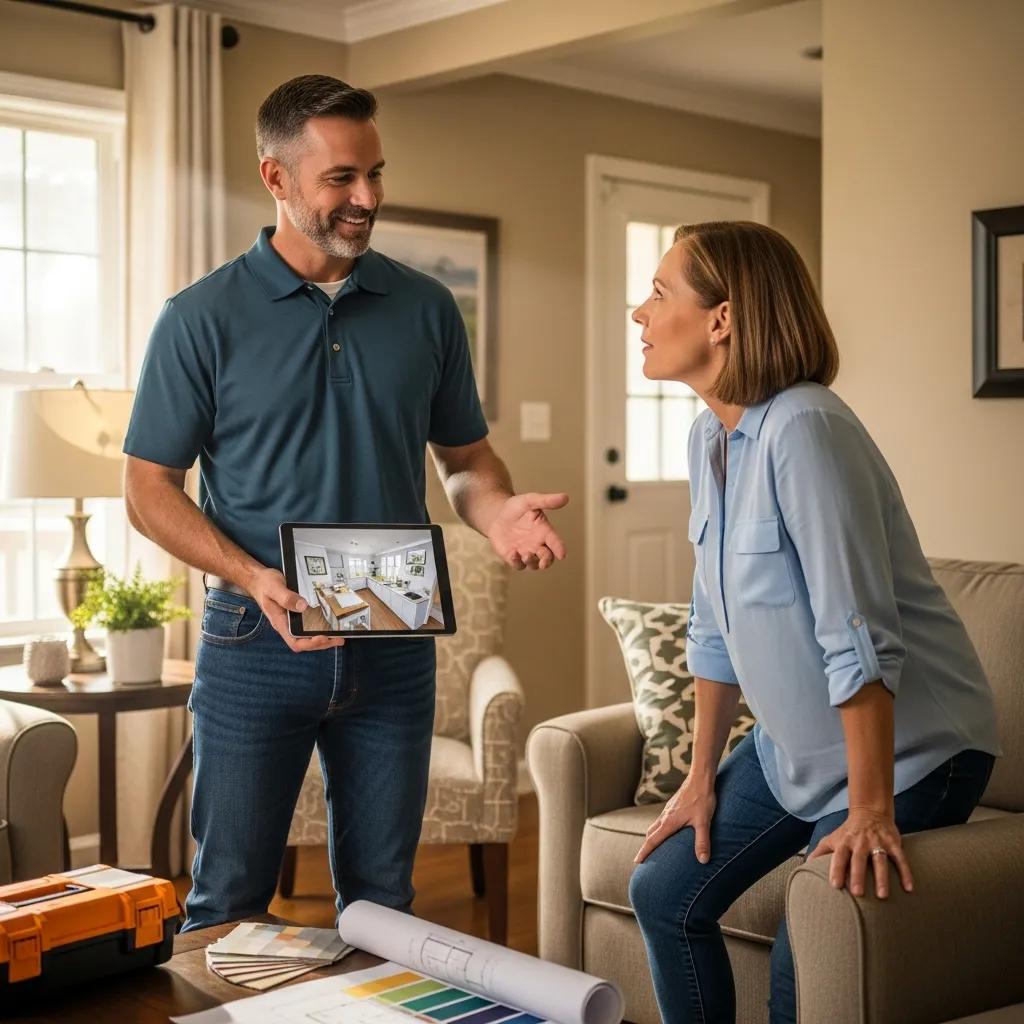
Use a mix of tactile, visual, and informational offers that match your trade to trigger reciprocity without breaking the bank. For roofing, deliver a roof-health inspection with annotated photos; for HVAC, perform a quick efficiency audit and demo a maintenance step; for remodeling, bring a sketch and a material sample so homeowners can picture the outcome. Tight micro-scripts help: open with, “Before we talk numbers, let me show you the one issue that will cost you most later,” to frame the visit as helpful and ease price defenses. Run a repeatable playbook: quick inspection, clear visuals, a one-page next-steps document, and follow-up messages that reference the value you already gave. Those steps turn reciprocity into measurable sales gains.
Intro to the tactics list: The following list gives concrete, trade-specific value actions you can use right away.
- Perform a free inspection with photos: Give clear evidence plus a one-page summary the homeowner can keep.
- Provide an educational leave-behind: Outline risks, timelines, and maintenance tips to extend perceived value.
- Record a short problem/explanation video: Send a personalized clip that clarifies the issue and next steps.
How Giving Value Builds Social Capital and Loyalty
Giving value builds social capital by creating trust and a reputation for helpfulness that turns into referrals and repeat work. When homeowners receive useful info or a temporary fix, they see the contractor as competent and generous — and that increases recommendations and eligibility for higher-margin projects. Social capital shows up in measurable ways: more referrals, shorter sales cycles, and higher lifetime value — often months after the initial gesture. Track which offers lead to appointments and referrals so you can quantify lift and scale the actions that work. The next section explains how rapport and professionalism amplify reciprocity.
How Trust Built with Reciprocity Improves Home Improvement Sales
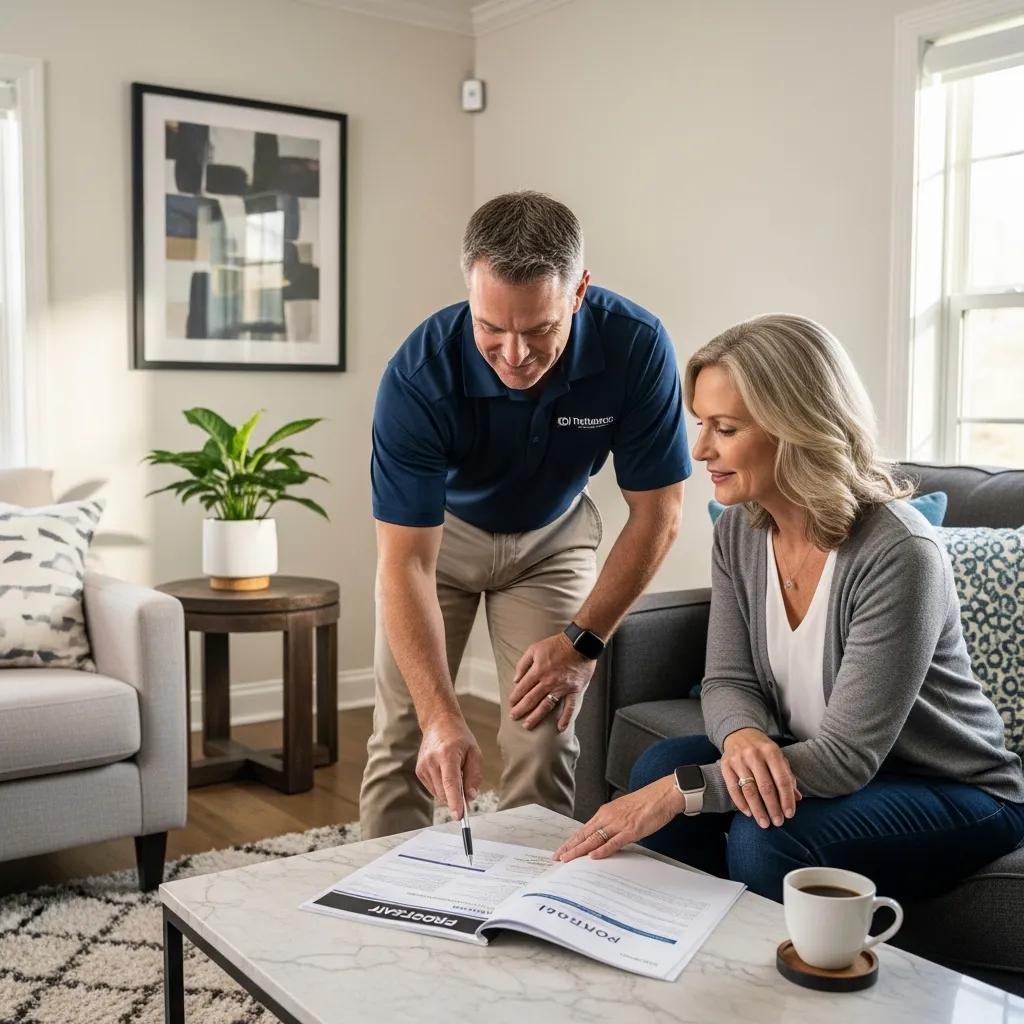
Trust reduces perceived risk and makes homeowners more willing to choose your proposal, especially where price-shopping is common. Trust multiplies a small value gesture: combine helpfulness with visible professionalism — clear contracts, punctuality, branded materials — and homeowners are likelier to accept quality work and upgrades. Lower perceived risk speeds decisions, producing faster closes and fewer price fights. The next subsection outlines rapport moves that accelerate reciprocity and make prospects more receptive to proposals.
The Role of Rapport in Reciprocity-Driven Sales
Rapport creates emotional alignment that strengthens reciprocity by making gratitude and obligation more likely to convert into action. Practical rapport moves: active listening, mirroring language, and citing local examples to build credibility. Pair empathy with a concrete offer: “I hear budget is a concern; here’s a low-risk option that protects your home now,” — that kind of line reduces resistance and prompts reciprocation. Strong rapport makes a free inspection feel personal, not promotional, increasing the homeowner’s natural drive to return the favor with an appointment or signed estimate. The next subsection shows how visible professionalism adds weight to that effect.
How Professionalism Boosts Reciprocity and Buyer Confidence
Professionalism — uniforms, clean proposals, branded leave-behinds, punctual communication — signals competence and raises the perceived value of any free offer. Pairing a helpful gesture with a polished presentation makes the exchange feel higher status and more deserving of reciprocation. Small checklist items — photo-based digital estimates, clear on-site safety, and prompt follow-up emails that reference the value given — all raise conversion odds. These cues reduce buyer friction and justify higher budgets because professionalism turns trust into a willingness to invest. That leads into how the RPC Framework packages rapport and professionalism into a repeatable close process.
How the RPC Framework Uses Reciprocity to Close More Deals
RPC — Rapport, Professionalism, Close — turns reciprocity into an operational process. Align the relational, perceptual, and transactional steps so the value you give is noticed, remembered, and used to justify the sale. Each RPC step triggers a reciprocity mechanism: Rapport builds emotional connection, Professionalism raises perceived value, and Close references prior value to overcome objections and secure commitment. The table below maps each RPC step to the reciprocity mechanic and practical actions you can start using today.
Intro to RPC EAV table: This table links each RPC step to the reciprocity mechanism it activates and shows concrete actions contractors can deploy.
| RPC Step | Reciprocity Mechanic | Practical Action |
|---|---|---|
| Rapport | Emotional reciprocity and trust | Use active listening, local references, and short personalized stories |
| Professionalism | Perceived competence and value | Deliver branded leave-behinds, punctual site visits, and clear photo-based estimates |
| Close | Reminder-based obligation and sequencing | Reference prior value in closing scripts and offer limited next-step options |
How the Close Step Uses Reciprocity to Move Past Objections
The Close step works by reminding the prospect of the value you already delivered and framing the next step as a fair exchange, not a hard sell. Use scripts that reference concrete prior actions: “After the inspection and the photos I left, the logical next step is the replacement we discussed to prevent further damage.” Timing matters — follow up within 24–72 hours to keep the value fresh and the urge to reciprocate strong. Handle price objections by reframing them around the effort and risk mitigation you’ve already provided: avoid pressure, keep it factual, and make the proposal feel like a mutual solution. The next subsection shares short real-world examples of RPC and reciprocity driving closed revenue.
Real-World Examples from Home Improvement Closer
Home Improvement Closer’s playbooks reflect real contractor wins where giving value raised close rates. One anonymized case: a contractor who started sending free, annotated inspection photos plus a one-page next-steps summary saw appointment-to-close rates climb and average ticket sizes increase when rapport and professional follow-up were applied. Another used a short diagnostic video after an HVAC audit to speed scheduling and cut price pushback. These examples show reciprocity tactics transfer across roofing, HVAC, and remodeling — and why training that teaches replication and scaling can pay off.
Advanced Reciprocity Techniques to Overcome Tough Objections
Advanced reciprocity tactics layer sequencing, commitment pairing, and social proof to neutralize stubborn objections — without manipulation. Examples: pair a small value gesture with a low-commitment agreement (commitment pairing), space value touches over time (staged reciprocity), and add neighborhood examples to post-visit communications. Always stay within ethical boundaries: reciprocity should inform and educate, not coerce. The next subsection drills into sequencing and timing that reduce resistance and prepare buyers to sign.
How Giving Value Upfront Reduces Customer Resistance
Staging value across multiple touchpoints lowers resistance by building trust and gradually increasing perceived obligation. A practical timeline: day-of free inspection, week-1 follow-up with photos and a one-pager, week-2 personalized video answering questions — each touchpoint reinforces the last and nudges the homeowner toward a decision without pressure. Different value types — info, temporary fixes, visualization — hit different psychological levers and together create momentum. Track response rate and time-to-signature to refine timing and content so you can quantify resistance reduction and improve pipeline predictability.
Intro to advanced tactics list: The moves below combine reciprocity, commitment, and social proof to strengthen objection handling.
- Commitment pairing: Offer a small, low-cost step and ask for a small commitment to prime larger purchases.
- Staged reciprocity: Space helpful touches over days to build momentum without pressure.
- Reciprocity + social proof: Pair a helpful gesture with nearby project examples to normalize the decision.
Proven Persuasion Tactics Rooted in Reciprocity
Effective persuasion tactics tied to reciprocity include commitment pairing, adding social proof, and using timely reminders that reference past help. Research shows combining reciprocity with consistency — getting a small yes early — and social proof — showing others did the same — boosts later commitments. Contractors can apply this by scheduling a small initial step (an inspection), then referencing that commitment when proposing the larger project, or by showing similar local jobs to make homeowners comfortable. Measure outcomes and iterate so these tactics increase conversions ethically and predictably.
How to Start Applying Reciprocity with Home Improvement Closer’s Training
Here’s how Home Improvement Closer teaches reciprocity: practical modules, playbooks, and tiered support that show contractors how to implement the RPC Framework without high-pressure scripts. The program is built by contractors and organized in three tiers: Tier 1 — Foundation (Free) covers the basics; Tier 2 — Mastery ($149/month) adds advanced modules and workflows; Tier 3 — Ownership ($250/month) provides coaching, scale support, and optional 1-on-1 rollout help. Paid tiers include a 60-day money-back guarantee and teach the same giving-value playbooks responsible for over $237 million closed across 20+ trades.
Intro to tiers table: The table below summarizes each tier’s focus and the outcomes contractors can expect, including price and core benefits.
| Tier | What It Teaches | Outcome / Price |
|---|---|---|
| Foundation (Tier 1) | Basics of reciprocity, inspection playbook, RPC overview | Immediate beginner wins; Free |
| Mastery (Tier 2) | Advanced scripts, sequencing, implementation workflows | Improved conversion and repeatable systems; $149/month |
| Ownership (Tier 3) | Scale management, coaching, 1-on-1 consultation options | Team roll-out and higher ROI; $250/month |
What the Free Tier 1 Course Covers
Tier 1 — Foundation covers core reciprocity concepts, practical giving-value tactics, and the RPC Framework so contractors can apply these ideas immediately on job visits. You’ll get modules on structuring free inspections, creating leave-behinds that stick, short scripts that reference value, and how to track follow-up metrics like appointment conversion and referral lift. Exercises focus on real trade scenarios — roofing estimates, HVAC audits, remodeling walkthroughs — so participants can practice and implement within the week. Most Tier 1 grads launch at least one giving-value play that boosts appointment show rates and improves customer conversations.
Intro to Tier 1 list: Key lesson topics included in Tier 1.
- Inspection playbook: A step-by-step checklist with photo documentation.
- Value-based scripts: Short, no-script phrases that build trust and encourage reciprocation.
- Follow-up sequence: A three-step post-visit cadence to reinforce value and prompt response.
How Paid Mastery and Ownership Tiers Expand Reciprocity Skills
Paid tiers build on Foundation with advanced sequencing, coaching, and systems for rolling reciprocity out across teams and territories. Tier 2 — Mastery ($149/month) adds advanced persuasion moves, objection templates that reference prior value, and implementation workflows to track KPIs reliably. Tier 3 — Ownership ($250/month) focuses on leadership, team rollout, and 1-on-1 consulting to tailor scripts and processes to your trade and market; it helps scale the RPC Framework across crews and routes. Both paid tiers include a 60-day money-back guarantee and focus on measurable outcomes like higher close rates, larger average tickets, and faster referral velocity.
Intro to paid tiers summary: Paid tiers are for contractors ready to systematize reciprocity and drive predictable revenue gains.
- Mastery ($149/month): Process, repeatability, and higher conversions using advanced tactics.
- Ownership ($250/month): Scale, coaching, and tailored implementation with 1-on-1 options.
Frequently Asked Questions
What are some common mistakes contractors make when applying reciprocity in sales?
Common mistakes include offering value that doesn’t feel genuine — which can read as manipulative — and mistiming the offer so it arrives too late to matter. Other errors: not tailoring value to the homeowner’s needs and failing to follow up after delivering value. All of these reduce the chance of reciprocation.
How can contractors measure the effectiveness of their reciprocity strategies?
Track KPIs like appointment-to-close rate, referral counts, and customer feedback. Use your follow-up system to measure responses to value offers and analyze time from first contact to signed contract. Regularly review these metrics and run small tests to find what moves the needle in your market.
Can reciprocity techniques be applied in other industries outside home improvement?
Yes. Reciprocity works in retail, hospitality, professional services, and beyond. The core idea — give useful value first to build trust — is universal. The key is adapting the offer to the audience: free samples, consultations, or educational content that genuinely helps.
What role does follow-up play in the reciprocity process?
Follow-up is essential. It reminds the homeowner of the value you already provided and keeps you top of mind. A timely, personalized follow-up can increase the urge to reciprocate and gives you a chance to answer questions. Good follow-up examples: a photo recap, a short video, or a direct message referencing the visit.
How can contractors ensure their value offers are perceived as genuine?
Be authentic and relevant. Listen first, then offer something that addresses the homeowner’s real concern. Be transparent about your intent — you want to help, not just close a sale. Use local examples and testimonials to make offers relatable and trustworthy.
What are some advanced techniques for leveraging reciprocity in sales?
Advanced moves include commitment pairing (a small initial commitment to prime larger buy-in), staged reciprocity (spreading helpful touches over time), and combining reciprocity with social proof (nearby jobs and testimonials). These tactics work best when measured and used ethically.
How can contractors train their teams to effectively use reciprocity techniques?
Use structured training: role-play scenarios, workshops on communication, and sharing real success stories. Give teams scripts, checklists, and follow-up templates, and run regular reviews to refine performance. Coaching and hands-on practice help make reciprocity a consistent part of your sales process.
Conclusion
Using the law of reciprocity lets contractors build trust and close more business by offering genuine value up front. That approach strengthens customer relationships and produces measurable lifts in appointment-to-close rates and overall sales. Implement the tactics here, use the RPC Framework, and measure results — then scale what works. Explore our training tiers to start turning value-first behavior into consistent revenue.