

How to Run a Needs Analysis That Wins Jobs: The Complete Sales Guide for Home Improvement Contractors

Many skilled contractors lose work not because of their craftsmanship but because they skip a repeatable needs analysis that uncovers what the homeowner actually cares about.
A needs analysis is a deliberate discovery routine that captures functional requirements, emotional priorities, budget limits, and timeline expectations so you can propose solutions that match what matters and close more often. This guide shows why a contractor-focused needs assessment moves the needle, how to fold it into your sales process, and which questions, tools, and field-tested scripts improve close rates and average ticket size. You’ll get practical question sets, CRM-friendly capture tactics, objection-preempting discovery moves, and simple workflows to use on site or during pre-visit research. We map the practice into the RPC Framework (Rapport, Professionalism, Close), give exact discovery and closing phrasing, and include tables and templates you can adapt for roofing, HVAC, and remodeling. Read on to turn homeowner needs into scoped proposals that reduce price shopping, shorten sales cycles, and boost referrals.
What Is a Needs Analysis and Why Is It Critical for Home Improvement Contractors?
A needs analysis is a structured conversation and data-capture routine that uncovers why a homeowner wants work done, what constraints matter, and which outcomes they value most. It replaces guesswork with recorded priorities that inform every decision. When you translate what homeowners say into documented needs, your proposals line up with their top drivers—so objections fall away and close rates and ticket sizes rise. Skip the needs analysis and your bids become generic, conversations turn into price debates, and you lose leverage at close. Recognizing those failure modes points directly to simple, tactical actions you can take on the first site visit to capture usable decision data and build trust.
- Top business benefits of a consistent needs analysis: Higher close rates because solutions are tailored and price becomes less central.Increased average ticket by matching upgrades to homeowner priorities.Better customer satisfaction and more referrals by delivering on documented expectations.
Those business wins explain why a repeatable needs-assessment matters across trades and set the stage for folding discovery into rapport-building and proposal delivery.
How Does Needs Analysis Improve Contractor Sales and Close Rates?
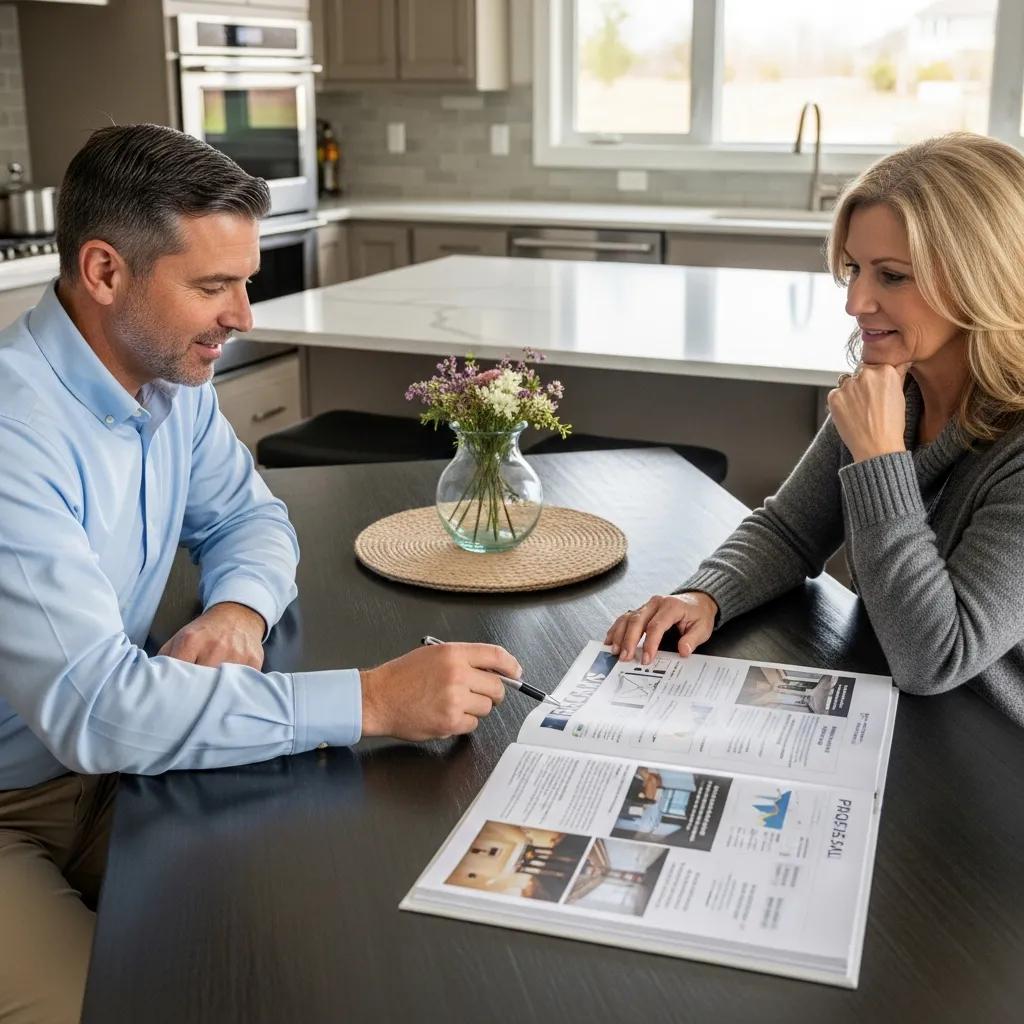
A needs analysis turns vague homeowner concerns into prioritized decision criteria and measurable proposal items, creating a clear value exchange. First, it lets you offer tailored solutions—if a homeowner values longevity over the lowest price, you can emphasize materials and warranties that justify a higher ticket. Second, needs-driven conversations build trust because the homeowner feels heard, which reduces the instinct to shop solely on price. Third, identifying objections early—budget limits, fixed timelines, or disruption tolerance—lets you design options, financing, or schedules that keep momentum. These steps shorten the sales cycle and raise win rates by turning preferences into concrete proposal elements and closing language, a transition we’ll expand on in the RPC Framework section.
What Are the Key Customer Needs in Remodeling and Home Renovation?
Homeowners balance three sets of needs—functional, emotional, and practical constraints—that together shape the buying decision. Functional needs include safety, durability, and energy efficiency; emotional needs cover peace of mind, pride in appearance, and trust in the contractor; practical constraints are budget, acceptable disruption, and timing. A roofing client may prioritize leak-free longevity and insurance coordination; HVAC buyers often focus on efficiency and predictable running costs; remodel clients may value aesthetics, resale impact, or minimizing family disruption. Mapping technical recommendations back to these needs creates persuasive proposal language and decision-focused options that make closing straightforward.
How Does the RPC Framework Integrate Needs Analysis in Contractor Sales?
The RPC Framework—Rapport, Professionalism, Close—becomes a practical sales map when needs analysis is embedded at each stage: discovery inside Rapport, documented translation inside Professionalism, and verified justification inside Close. In Rapport, needs analysis establishes the emotional and functional baseline that builds trust; in Professionalism it becomes evidence in scoped proposals and clear options; in Close it provides the justification to confidently ask for the business by tying recommendations to recorded homeowner priorities. Applying needs analysis across these stages reduces ambiguity at handoffs—from estimator to office to installer—and ensures the homeowner sees consistency between conversation, estimate, and final scope. That consistency makes follow-up and handoffs far more effective.
How Does Rapport Building Use Needs Analysis to Establish Trust?
Rapport-building uses needs analysis through active listening, open-ended discovery, and short reflective summaries that validate homeowner concerns and reveal motivations. Start with easy openers that invite storytelling—ask about the home’s history, past contractor experiences, and the problem they want solved—then follow with "why" and "what would it mean" prompts to surface emotional drivers. Mirror the homeowner’s words and summarize priorities aloud to show you understand and to capture recordable facts. These listening behaviors set up the Professionalism phase where documented needs become scope items and proposal differentiators.
How Does Professionalism Leverage Needs Analysis to Tailor Solutions?
Professionalism turns discovered needs into a clearly scoped proposal with options, quantified benefits, and defensible pricing that reflect the homeowner’s priorities. Use the recorded needs to present 2–3 price tiers—baseline, recommended, and premium—each tied explicitly to a documented need (for example, "Recommended: architectural shingles for longevity; you prioritized durability above price"). Add visual aids, simple lifecycle cost comparisons, and a one-page needs summary attached to the estimate so the homeowner sees the direct line from conversation to recommendation. Those connections reduce follow-up friction and give you specific hooks to restate value instead of defending price, making the move into the close smoother.
How Does Closing Use Needs Analysis to Confidently Ask for the Business?
A needs-based close references documented priorities and lowers perceived pressure by framing the decision as fulfilling previously confirmed goals. Confirm needs first—"You said preventing leaks and minimizing disruption were most important"—then present the recommended option as the logical solution. Ask for a simple next step tied to logistics rather than persuasion: schedule a start date, confirm color/selection, or agree on payment terms for the chosen option. That approach converts need-confirmation into closing momentum, avoids pushy tactics, and protects the relationship while improving conversion when the proposal truly reflects homeowner priorities.
What Are the Most Effective Needs Analysis Questions for Contractors?
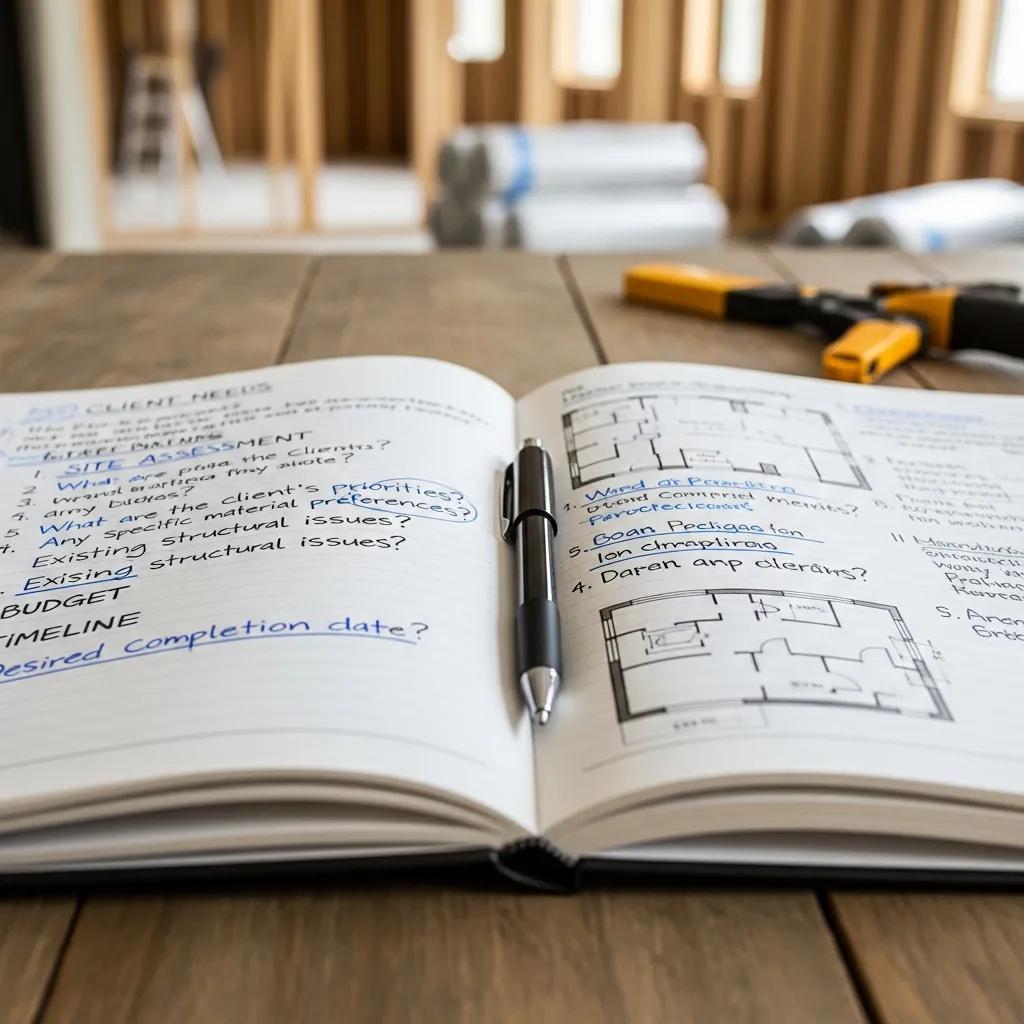
Effective needs-analysis questions fall into categories that reveal context, problems, priorities, constraints, and emotion. Use structured question sets to keep discovery consistent across visits and records. Good sequences move from open narrative to focused probes, then to commitment-oriented queries that surface budget and timeline. Below are curated question groups with the intent and example phrasing to use during discovery.
The next list shows essential question types and what insight they uncover.
- Discovery openers that invite storytelling and context: "Tell me the story of this problem—when did you first notice it?" (uncovers timeline and pain)"What solutions have you tried so far, and what worked or didn’t?" (reveals expectations and past experiences)"What would an ideal outcome look like for you?" (identifies emotional and aesthetic drivers)
- Problem-focused follow-ups for root causes: "How does this issue affect your daily routine or safety?" (prioritizes urgency)"If this were solved tomorrow, what would change for you?" (quantifies benefit)"Who else is involved in this decision and what matters to them?" (reveals hidden stakeholders)
- Desire-amplifying and budget/timeline questions: "If budget were flexible, what features would you choose?" (reveals upsell opportunities)"Do you have a target completion date or event we should plan around?" (sets timeline constraints)"Is there a budget range you’re comfortable with so I can recommend suitable options?" (clarifies constraints without guessing)
| Question Type | Purpose | Example Question and Expected Insight |
|---|---|---|
| Discovery Openers | Establish context and story | "Tell me the history of this issue." → Reveals timeline and homeowner frustration level |
| Problem-Focused | Identify root cause and impact | "How does this affect daily life?" → Surfaces urgency and functional need |
| Desire-Amplifying | Reveal aspirational outcomes | "What would an ideal result look like?" → Exposes emotional drivers and upsell potential |
| Budget/Timeline | Define constraints for realistic scope | "Do you have a budget range?" → Sets expectations for options and materials |
Once you’ve practiced these question sets, contractors can use structured interactive training. Home Improvement Closer offers a free Tier 1 Foundation with short videos and interactive tools to practice core needs-analysis phrasing and role-play discovery scenarios. Teams that want guided templates and deeper practice can move to paid Mastery content for expanded role-play scripts and interactive templates that mirror the question types above.
Which Open-Ended and Problem-Focused Questions Uncover True Customer Needs?
Open-ended questions invite story; problem-focused probes extract specifics that matter for scope and price. Start broad—"Walk me through what led you to consider this project now"—then narrow with targeted follow-ups like "How long has that been happening and what have you tried?" That sequence reveals symptom and history, which points to the real cause and the homeowner’s tolerance for risk or disruption. Use brief reflective summaries at natural pauses—"So stopping leaks and protecting the attic are your top priorities"—to confirm accuracy and create a recorded anchor for options and warranties. This practice reduces back-and-forth and speeds decisions.
How Do Desire-Amplifying and Budget Questions Drive Sales Conversations?
Desire-amplifying questions help homeowners picture the payoff, which increases willingness to invest in higher-value solutions when those solutions align with priorities. Ask about emotional benefits—"How would this improvement change how you feel about your home?"—to surface pride or resale motivations you can translate into option benefits. Pair that with practical budget and timeline questions like "What monthly payment range would be comfortable?" or "Is there a move-in or event we should plan around?" Interpreting these answers correctly helps you recommend the option that balances aspiration and reality, making the close feel like the logical next step, not a sales pitch.
How Can Contractors Use Needs Analysis to Overcome Common Sales Objections?
Applied early, needs analysis anticipates and neutralizes common objections by reframing conversations around documented priorities and trade-offs. Instead of reacting defensively to price or delay objections, use needs data to show value, match options to constraints, and set clear next steps. Below are common objection types with practical responses and scripts you can use in the field.
- Price and value objections: summarize the homeowner’s needs and contrast lifecycle benefits with upfront cost.
- Delay and "I need to think about it" responses: uncover the real barrier and offer safe, time-bound next steps.
- Scope and comparison objections: use documented needs to show how your proposal differs from lower-priced alternatives.
| Objection | Underlying Need | Needs-analysis Response or Script |
|---|---|---|
| "Too expensive" | Need for long-term value and peace of mind | "You prioritized longevity and minimal maintenance; this option reduces replacement risk and lifetime cost—would a warranty extension help you feel comfortable?" |
| "I need to think about it" | Unspoken concern or decision-maker involvement | "What would you need to decide today? Is there anyone else whose input we should include so we can schedule a quick walk-through with them?" |
| "I want to shop around" | Need for trust and clear differentiation | "What factors will influence your choice? I can highlight exactly how our scope and materials address those priorities so you can compare apples-to-apples." |
How Does Needs Analysis Pre-Empt Price and Value Objections?
Link features to documented priorities to move the talk from sticker price to cost of ownership and benefit alignment. For example, if a homeowner cares about energy savings, show estimated monthly savings and a breakeven comparison against upfront cost. Use short scripts: "Because you said efficiency and lower bills matter, this unit reduces annual energy costs by about X%, which offsets more expensive equipment within Y years." That reframes price as an investment and uses the needs record to justify recommendations, easing sticker shock and strengthening the close.
How Can Needs Analysis Address “I Need to Think About It” and Delay Tactics?
If a homeowner asks for time, probe gently to find the real barrier—budget, timing, spouse approval, or comparison shopping—and then offer low-pressure next steps tied to specific decisions. Ask: "Is there a specific piece of information that would help you decide?" or "Would a short comparison of the three options help you and your partner pick one this week?" Offer a soft commitment like tentatively reserving a start week or sending a one-page needs summary that frames options around their priorities. These moves keep momentum while respecting the homeowner’s process and set up clear follow-up actions instead of open-ended delays.
What Practical Tools and Templates Support a Contractor’s Needs Assessment?
Operationalizing needs analysis needs lightweight digital forms, short checklists, and CRM fields that capture prioritized needs, decision drivers, budget ranges, and timeline constraints. The goal is capture once, use many times: recorded needs should populate proposal templates, scope notes, warranty language, and follow-up automation. Below is a simple comparison to help choose the right tools for your workflow.
| Tool Type | Primary Use Case | Time to Implement | Mobile-Friendly | CRM Compatibility |
|---|---|---|---|---|
| Digital Needs Form | Capture priorities and decision drivers on site | 1–2 hours to set up | Yes | High — maps to custom fields |
| Needs Checklist | Ensure consistent discovery across teams | 30–60 minutes to train | Yes | Medium — manual entry or upload |
| Scripted Interactive Tool | Guided discovery and role-play training | 1–2 days to configure | Yes | Low — training focused |
| CRM Field Templates | Automate proposal population and follow-up | 2–4 hours to configure | Yes | High — native integration |
Picking the right mix for mobile techs and office staff reduces rework and sets up consistent workflows.
Which Digital Forms, Checklists, and CRM Integrations Enhance Needs Analysis?
Design forms to capture a compact needs summary: problem statement, top three homeowner priorities, budget range, timeline, decision-makers, and risk tolerance. Add a one-click “needs summary” export that attaches to the estimate PDF and creates follow-up tasks in the CRM. Mobile forms should accept photos and voice notes, and checklists must be short enough to complete during the visit while keeping consistency across technicians. Training everyone to use the same field names prevents data fragmentation and speeds proposal generation, improving turnaround and professional impression.
How Do Interactive Scripts and Surveys Improve Customer Discovery?
Interactive scripts and short pre-visit surveys standardize discovery, reduce question variability, and build skill through role-play and review. Pre-visit surveys can collect context and trigger a targeted onsite checklist, while interactive scripts used in training help staff practice phrasing and objection transitions. Use micro-scripts (20–30 second blocks) for common scenarios like price pushback or timeline negotiation, and record role-plays to refine trade-specific language. Consistent use of these tools raises data quality and prepares crews to close with confidence.
What Are Real-World Success Stories Demonstrating the Power of Needs Analysis?
Concrete case examples show how a systematic needs assessment converts conversations into measurable business results—higher close rates, larger average tickets, and more referrals. Below are concise before-and-after examples from teams that adopted disciplined discovery and documentation.
- Roofing contractor example: After attaching a one-page needs summary to every estimate, the team saw higher average tickets and fewer price-only negotiations.
- HVAC example: Capturing efficiency priorities and lifecycle costs during discovery led to more unit upgrades and faster approvals.
- Remodeling example: Using desire-amplifying questions to surface aesthetic priorities produced higher-end finish sales and better project margins.
How Have Contractors Increased Close Rates and Project Values Using Needs Analysis?
Teams improved results by adding a short onsite needs form, training salespeople on three core open-ended questions, and attaching a one-page summary to each proposal. Documenting the homeowner’s top three priorities and linking each to a recommended option reduced price objections and made value framing clearer. Contractors using this approach reported faster decisions and higher acceptance of recommended options because proposals referenced precisely what the homeowner had asked for. These are quick changes with measurable results within a few weeks of consistent use.
What Lessons Can Be Learned from Home Improvement Sales Success Stories?
Five repeatable lessons emerge: listen first, record needs concisely, translate needs into explicit option language, use visual or lifecycle comparisons to justify value, and create a single follow-up artifact that restates homeowner priorities. Use a short action checklist each visit: ask the three discovery openers, confirm top priorities, note budget and timeline, attach the needs summary to the estimate, and schedule a specific next step. Track close rate, time-to-decision, and average ticket to measure whether your needs-analysis practice is producing the expected ROI and to guide iterative improvement.
For contractors ready to practice these steps, Home Improvement Closer offers a free Tier 1 Foundation with short foundational videos, interactive tools, and sample scripts to get started immediately. Paid Mastery and Ownership tiers expand training into role-play, additional interactive tools, and implementation support for teams scaling consistent needs analysis across crews and trades. Founders Ron and Shai designed the curriculum around the RPC Framework to help contractors move from rapport to confident closes, repeatably.
Frequently Asked Questions
What are the common mistakes contractors make during needs analysis?
Common mistakes are skipping open-ended questions, failing to listen carefully, and not documenting key priorities. Many contractors rush the discovery phase or treat it like a checkbox, which leads to assumptions and generic proposals that don’t resonate. Taking the time to ask the right questions and record answers changes the quality of proposals and improves close rates.
How can contractors effectively follow up after a needs analysis?
Follow up by sending a personalized recap that highlights the homeowner’s top priorities, specific concerns, and how your recommendations align with those needs. Include a clear next step—schedule a follow-up meeting, set a proposal timeline, or confirm selections—to keep momentum. A concise one-page needs summary attached to the estimate reinforces trust and moves the process forward.
What role does emotional intelligence play in needs analysis?
Emotional intelligence matters because it helps you connect with homeowners, read unspoken concerns, and ask more insightful questions. Empathy enables clearer communication and stronger trust, which encourages homeowners to share true priorities and fears. Contractors who show emotional intelligence are more likely to create tailored solutions that land with clients and close more business.
How can technology enhance the needs analysis process?
Technology streamlines capture and follow-up through digital forms, CRM fields, and interactive tools. Mobile-friendly apps let technicians document needs on site with photos and voice notes; CRM integrations automate proposal generation and follow-up tasks. Using technology consistently improves professionalism, reduces errors, and speeds response times.
What are the best practices for training staff on needs analysis?
Train with role-play, interactive workshops, and structured scripts to build consistency. Start with foundational sessions on why needs analysis matters and how to ask effective questions. Use real examples and regular practice, provide feedback, and reinforce skills on the job. Ongoing training helps teams get comfortable with discovery and improves sales performance.
How can contractors measure the success of their needs analysis efforts?
Measure success with KPIs such as close rate, average ticket size, and customer satisfaction. Compare those metrics before and after implementing a structured needs-analysis process. Collect homeowner feedback on the discovery experience and review it regularly. Tracking these indicators shows whether your changes are working and where to refine your approach.
Conclusion
Making needs analysis a consistent part of your process is one of the simplest, highest-ROI changes a contractor can make. By uncovering homeowner priorities and tying recommendations directly to what matters, you’ll see higher close rates, bigger average tickets, and happier customers who refer you to others. Start using the question sets, capture tools, and follow-up practices here and measure the impact—small changes in discovery lead to measurable business gains.