

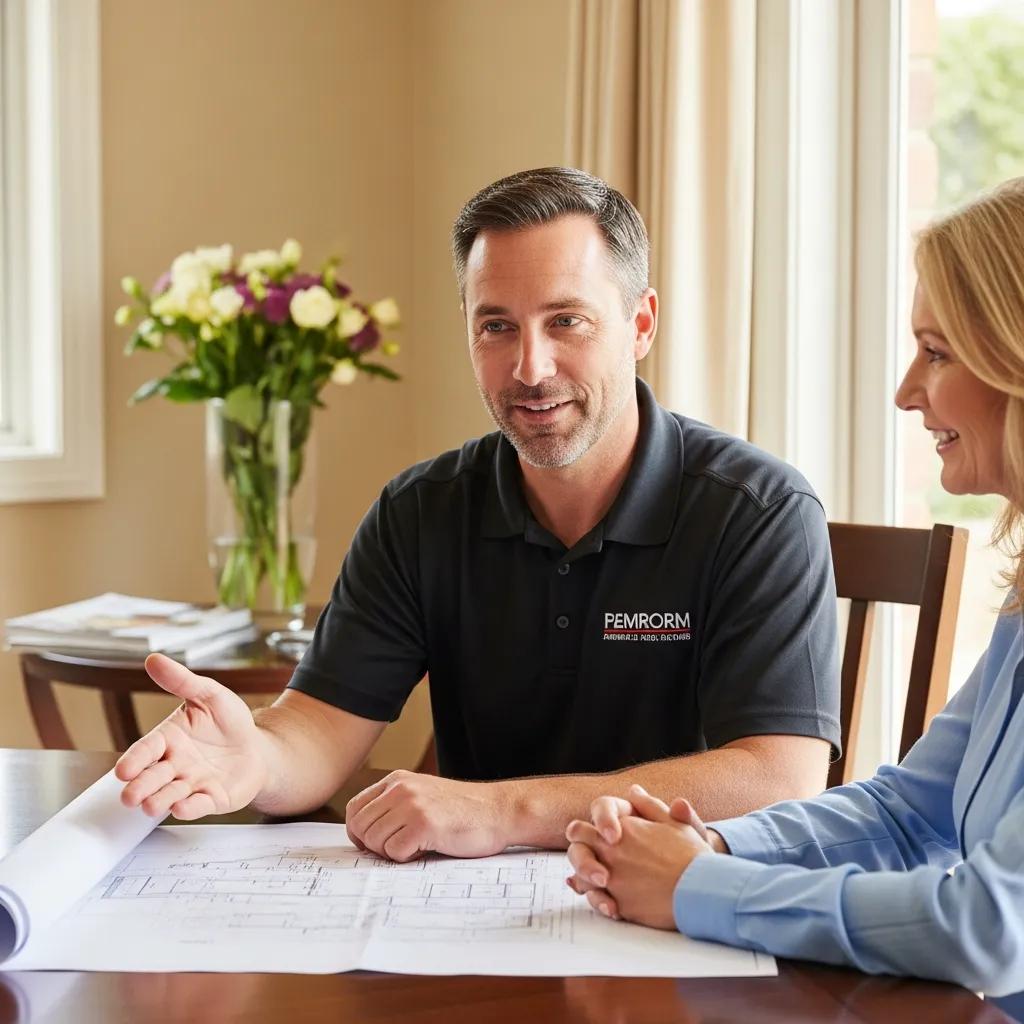
Trust-based selling puts honesty, clear problem-solving, and consistent delivery at the center of how you win work. When scope, price, and expectations are aligned up front, estimates flow smoother, you close better jobs, and margins stay protected. This guide shows how trust functions as a practical tool—through rapport, professional presentation, and ethical closes—to produce measurable results like higher close rates, repeat customers, and more referrals. You’ll get the RPC Framework (Rapport, Professionalism, Close), field-ready scripts for price objections and “I need to think about it,” premium-pricing tactics that justify higher rates, and retention systems that turn satisfied customers into steady revenue. Every section includes checklists, roleplay-ready scripts, and EAV tables so you can apply trust-based selling on site and in the office. The examples and language here are trade-tested and aimed at contractors and subs who want to charge premium prices while building durable client relationships.
What Is Trust-Based Selling and Why Is It Crucial for Contractors?
Trust-based selling is a client-first approach that replaces high-pressure tactics with clear communication and reliable delivery to win work and protect margins. Homeowners value predictability and honesty—accurate timelines, written scopes, and straightforward cost explanations reduce anxiety and make clients more willing to pay. Contractors who use trust-based selling see fewer scope disputes, more referrals, and the ability to command better prices when they demonstrate value. The method is simple: build rapport, show professionalism, and close ethically—and the payoff is steady growth with less churn. Below we break down how trust creates long-term relationships and what ethical selling looks like on the job.
How Does Trust Build Long-Term Client Relationships in Construction Sales?
Trust grows from steady, predictable actions: showing up on time, delivering what’s agreed in writing, and communicating early about delays or changes. When clients experience that reliability, they become repeat customers and refer neighbors—lowering acquisition costs and increasing lifetime value. For example, a siding job that included timely updates and a clean site turned one customer into three referrals over 18 months. Those routines create a loop: reliability builds trust, trust reduces price sensitivity, and that lower sensitivity supports healthier margins. Knowing these mechanics helps you design systems that drive repeat business and steady referrals.
Framework for Trust in Construction Contracting: Building History-Based Trust
This study develops a framework for trust in construction contracting, showing that history-based trust grows from repeated, successful interactions with the same contractor. Over time, consistent performance and completed projects build this kind of trust, which is key to long-term client relationships and satisfaction.
What Are Ethical Sales Practices in Home Improvement?
Ethical selling is straightforward: give honest estimates, document scope limits, and avoid pressure tactics that force quick signings. Start with itemized proposals, state key assumptions (for example, unseen rot excluded), and set realistic timelines—these steps prevent disputes and reinforce perceived value. Have a clear change-order process and write contracts in plain language so clients understand trade-offs without legalese. Consistent ethical practices cut cancellations and costly rework, strengthen your reputation, and create room for premium pricing. This honest foundation sets up the RPC Framework and the objection handling that follows.
How Does the RPC Framework Support Trust-Based Selling for Contractors?
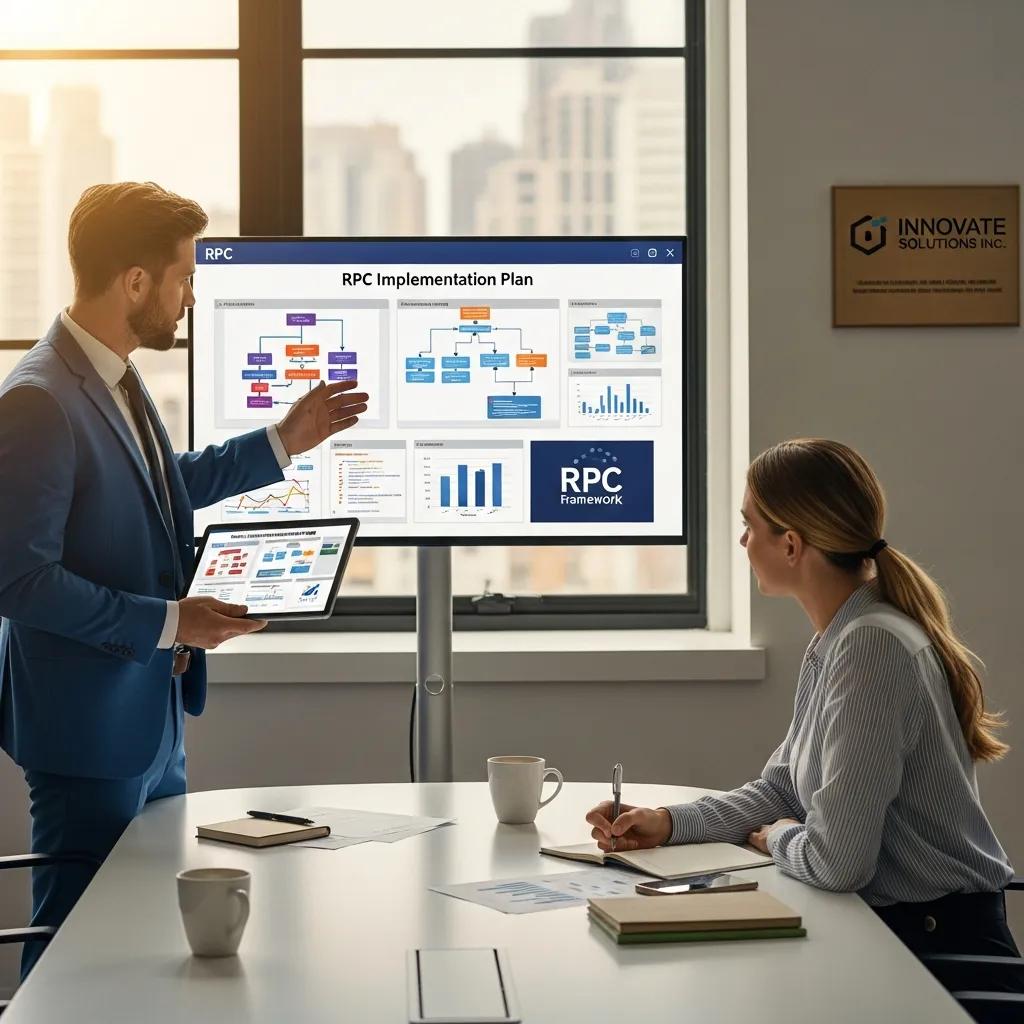
The RPC Framework—Rapport, Professionalism, Close—gives you a repeatable sequence to build trust on every estimate and sales conversation. Rapport uncovers priorities and builds connection. Professionalism proves competence and lowers perceived risk. Close confirms mutual understanding while protecting the relationship. Use RPC together to reduce objections and shorten decision timelines because clients feel heard, informed, and comfortable choosing you. Below are practical steps for first calls, on-site meetings, and estimate reviews.
What Are the Key Steps in Building Rapport with Clients?
Start rapport with genuine questions and active listening: ask why the project matters, the ideal timeline, and past experiences with contractors, then reflect those answers back simply. Use trade-appropriate openers—short, direct, and authentic—such as commenting on something you noticed in the home or a local detail; that breaks the ice faster than scripted lines. Mirror the client’s priorities in your estimate summary so they feel understood, and put those priorities at the top of your proposal. Good rapport sets the stage for a professional presentation and smoother objection handling later.
How Does Professionalism Enhance Contractor Sales Success?
Professionalism shows up as punctuality, clear written estimates, a tidy on-site presence, and predictable communication practices. A tidy estimate with photos, scoped line items, and a clear payment schedule cuts ambiguity that leads to renegotiation. Train crews on arrival routines and provide client-facing communication templates so every touchpoint reinforces competence. Professional presentation shortens decision times and reduces “cheaper bid” objections because clients equate professionalism with lower risk. Setting these standards is an investment that improves close rates and cuts call-backs or warranty issues.
3: What Closing Techniques Build Trust and Secure Deals?
Trust-preserving closes confirm value and next steps rather than pushing for an immediate signature. Use the summary close, option close, and assumptive scheduling to keep things low-pressure. The summary close restates priorities and the agreed scope before asking for a decision—this reinforces alignment and reduces buyer’s remorse. The option close offers two vetted packages—standard and premium—framed to show how the premium lowers long-term costs and increases durability. The assumptive scheduling close proposes a practical next step, like a start date window, nudging commitment while staying respectful. These closes keep your credibility intact and make it easier for clients to say yes without feeling rushed.
After you practice the RPC steps, short focused roleplays and micro-lessons speed adoption. Home Improvement Closer offers a practical progression for trades pros that teaches RPC through bite-size lessons and scenario practice. The free Foundation tier covers RPC basics with short videos and community access; the Mastery path expands objection handling and includes a script vault for teams ready to drill the full framework. All options are mobile-friendly so crews can learn between jobs and apply techniques immediately.
How Can Contractors Overcome Common Sales Objections with Trust-Based Strategies?
Handling objections with trust-based language means diagnosing the real concern, answering it briefly, and offering a low-friction next step. Common objections—price, “I need to think about it,” and “cheaper bid”—have predictable roots and reliable responses that protect value while preserving the relationship. Use short scripts that shift the focus to outcomes and risk instead of just line-item price, and always finish with a question that uncovers the real hesitation. The table below maps objections to causes and gives concise scripts you can use on site.
| Objection | Root Cause | Short Script & Trusted Response |
|---|---|---|
| "Too expensive" | Client sees price without a clear value comparison | "I hear you. Want me to show how this scope cuts future repairs and what cheaper materials will likely cost in five years?" |
| "I need to think about it" | Unclear priorities or decision pressure | "Totally fair. Which part do you want to think through—budget, timeline, or materials—and can we set a quick follow-up for that item?" |
| "We have a cheaper bid" | Comparing prices without matching scope | "Can I ask what’s different in their scope? If you want, we can go line-by-line and compare warranties, materials, and timing." |
This table helps you diagnose concerns and respond without sounding defensive. Each script redirects the talk to value and closes with a clarifying question to keep momentum.
What Are Effective Ways to Handle Price Objections?
When price comes up, pivot to value and total cost of ownership: explain how better materials, skilled crews, and a clear warranty lower long‑term expense. Use a brief comparison showing replacement or repair costs for cheaper alternatives over 5–10 years to make the investment case tangible. Offer practical trade-offs—phased work or alternative finishes—instead of blanket discounts. Try: "If budget is the issue, we can phase the work or pick alternate finishes; which should we talk through?" That preserves margin while offering a path forward.
List intro: Three tactical ways to defend price without undercutting your margins.
- Quantify lifetime cost: Show how a higher-quality roof or deck reduces replacement and labor costs over time.
- Offer phasing: Break the project into prioritized phases so value is delivered incrementally.
- Anchor to warranty: Emphasize warranty terms and post-installation support that lower long-term risk.
How Should Contractors Respond to “I Need to Think About It” Objections?
"I need to think about it" often hides an unresolved concern—budget, partner input, or timing—so your job is to uncover which one without pressure. Use open questions like: "Absolutely—what part would you most like to think through: the materials, the timeline, or the payment plan?" Then set a short, purposeful follow-up: "Would it help if I call back on Thursday with a comparison sheet and photos from similar jobs?" A two-email follow-up rhythm works well: an immediate summary email plus a value-add message (photos, references) two days later.
Follow-up cadence template:
- Immediate: Send a thank-you note summarizing scope and next steps within 2 hours.
- 48-hour: Send a value-add message with photos or references for reassurance.
- 7-day: Call to answer remaining questions and propose a decision window.
This approach uncovers barriers and preserves momentum without high-pressure tactics, increasing your chances of converting a hesitant prospect.
Trust and Dependence in Construction Supplier Relationships: Enhancing SRM
This paper examines how trust and dependence shape supplier relationship management in construction. It finds that trust strengthens buyer–supplier ties and improves performance, supporting longer-term collaborations and mutual benefits.
For teams wanting deeper roleplay practice, structured objection training helps. The Mastery tier from Home Improvement Closer includes focused modules on 11 common objections, a script vault, and Q&A replay access—built for crews who need reproducible, field-ready responses. Members can also request a free one-on-one consultation to tailor scripts to their trade and local market.
What Premium Pricing Strategies Help Contractors Communicate Value and Build Trust?
Premium pricing is earned when you clearly link higher cost to lower client risk and better outcomes—and when your processes prove you can deliver. Value-based pricing focuses on outcomes—durability, appearance, and reduced downtime—rather than only inputs. Tiered packages (good / better / best) let clients match durability and service to their goals, and cost-plus ensures you cover overhead and target margins. Below is a practical comparison of common pricing strategies, when to use them, and target margin expectations to guide quoting.
Introductory note: Use the table to pick the pricing strategy that fits a job and to set margin expectations while estimating.
| Pricing Strategy | When to Use | Expected Margin / Benefit |
|---|---|---|
| Cost-plus | Standard, repeatable work with predictable costs | Target 15–25% margin to cover overhead and profit |
| Value-based | Unique projects where outcomes save clients money or carry high emotional value | Higher margins possible (25–40%) when value is clear |
| Tiered pricing | When clients have different budgets and service preferences | Improved conversion and upsell opportunities; margins vary by tier |
How Do Contractors Calculate Profit Margins for Sustainable Growth?
Use a simple formula: Total price = direct costs + allocated overhead + desired profit margin. Direct costs are materials and labor; overhead covers permits, insurance, admin, and vehicle expenses allocated per job. Choose a target margin based on your growth stage—small shops may accept lower margins to win work, while scaling businesses need higher margins to invest in staff and systems. Aim for 15–25% net margin on routine jobs and 25–40% on specialty or value-based projects. Put assumptions in the estimate so clients see what they’re paying for and why.
Calculation steps:
- List direct costs: materials, crew hours, subs.
- Allocate overhead: divide monthly overhead by billable hours or jobs.
- Add desired profit: pick a margin based on strategy and risk.
Making these steps transparent gives you a defensible price and reduces discount pressure.
What Is Value-Based Selling and How Does It Support Premium Pricing?
Value-based selling ties price to client outcomes by finding what the client values and quantifying that benefit. The three-step method: discover priorities (durability, timeline, aesthetics), quantify impact (lifespan, maintenance savings), and present a tailored solution that links features to outcomes. Use scripts that connect features to client priorities—like reduced maintenance or higher resale value—to justify premium pricing. For example: "Premium composite decking cuts maintenance hours and extends usable life, and many clients recoup that through saved upkeep and stronger resale appeal." Showing those calculations helps clients see the purchase as an investment, not just an expense.
Building Trust-Based Relationships in Research Product Development Collaboration
This study looks at trust-based relationships in research-driven product development, showing that trust complements formal contracts and helps teams collaborate more effectively. While agreements set the baseline, trust-based interactions are crucial for successful partnerships and innovation.
Once you’ve mastered value-based conversations, contractors who plan to scale or prepare exits can focus on business ownership topics. The Ownership tier from Home Improvement Closer covers premium pricing, team building, and exit preparation—designed for owners getting ready to scale or sell.
How Do Contractors Build and Maintain Long-Term Client Trust for Business Success?
Long-term trust comes from simple systems: onboarding, follow-up cadences, fast warranty handling, and a formal referral process. Onboarding sets expectations at signing, follow-up keeps clients engaged through completion and beyond, and clear warranty and maintenance plans reduce worry about future issues. Track repeat business and referral sources so you can improve what works. Below are retention strategies with steps and expected impact to help you prioritize the systems that return measurable value.
Introductory note: The table below compares retention strategies, timelines, and typical impact so you can decide where to invest time and resources.
| Retention Strategy | Implementation Steps | Estimated Impact / Timeframe |
|---|---|---|
| Onboarding packet | Send contract summary, project timeline, and crew bios before start | Higher client confidence; fewer day‑one questions (immediate) |
| Scheduled follow-ups | Post-job check-in at 2 weeks and 6 months with maintenance tips | Increased repeat business and referrals within 6–12 months |
| Warranty handling | Standardized warranty process and fast response for claims | Fewer disputes and better online reputation (ongoing) |
What Client Retention Strategies Strengthen Contractor Relationships?
Retention starts with a clear onboarding packet that outlines scope, timeline, and what to expect on site—this cuts surprises and sets a professional tone. Follow up after completion with a two‑week walk-through and a six‑month maintenance reminder to catch issues early and show ongoing care. Use simple CRM notes to record referral sources and client preferences so future estimates are personalized. Small, consistent post-job contact and a documented warranty process pay back through repeat business and referrals.
Retention cadence checklist:
- Pre-start: Send onboarding packet and crew bios.
- Post-completion: Conduct a 2-week walk-through to confirm satisfaction.
- Ongoing: Schedule maintenance reminders and capture testimonials.
How Can Contractors Generate Referrals Through Trust-Based Selling?

Referrals come naturally when clients feel heard and supported: ask at the right moment, make the path simple, and reward behavior modestly without undermining integrity. The best time to ask is after a positive milestone—final walk-through or two-week check-in—when satisfaction is high. Use short scripts: "If you know neighbors who value quality work, would you feel comfortable introducing us?" and offer a low-effort referral option like passing a name or a quick email intro. Collect testimonials and permission to share before asking so the request is easy and credible for clients.
Referral ask timing options:
- Immediate: Ask during a positive milestone like the final handoff.
- Delayed: Request during the two-week follow-up after satisfaction is confirmed.
- Automated: Send a brief post-job message asking for referrals with clear next steps.
A small, consistent referral system turns satisfied customers into a reliable lead source without eroding trust.
How Does Sales Confidence and Mindset Impact Trust-Based Selling for Contractors?
Sales confidence affects how consistently you present value, handle objections, and follow up—behaviors that power trust-based selling. Confidence grows from competence: repeated roleplay, script practice, and tracking small wins that prove the approach works. Confident contractors resist discounting and deliver consistent messaging that reassures clients and protects margins. Mindset practices that protect work‑life balance also prevent emotion-driven pricing and burnout, helping owners make rational decisions that benefit long-term business health.
How Can Contractors Develop Sales Confidence to Close More Deals?
Build confidence with deliberate practice and measurable micro-goals: daily 10-minute roleplays, weekly script reviews, and tracking conversion metrics to validate progress. A 30-day plan—covering rapport openers, price conversations, and closing sequences—builds habit and muscle memory so these skills are reliable on site. Celebrate small wins, like a clean summary close or a recovered objection, and log them to reinforce progress. Repetition plus real-world feedback is the fastest route from nervousness to predictable closing.
What Role Does Work-Life Balance Play in Sustaining Contractor Sales Success?
Boundaries and automation stop reactive pricing decisions made under stress and preserve the energy needed for quality client interactions. Set communication windows for client calls, delegate admin tasks to office staff, and use simple systems for follow-ups and reminders. When owners protect their time they make better pricing choices, follow up more consistently, and sustain the mental resilience needed for steady sales success. These practices reduce burnout and keep the steady behaviors that build long-term client trust.
For contractors ready to practice these skills with guided modules and tailored feedback, Home Improvement Closer offers structured training paths and a free 60-minute strategy consultation to customize scripts and mindset work for your trade. The Foundation option is free and covers RPC fundamentals; paid tiers expand objection mastering, script vault access, and business ownership topics for contractors preparing to scale.
Frequently Asked Questions
What are the benefits of implementing trust-based selling for contractors?
Trust-based selling increases client loyalty, raises close rates, and generates more referrals. By prioritizing transparency and ethical behavior, you reduce disputes and improve client satisfaction. That consistency lets you charge premium prices without constantly discounting. Satisfied clients also recommend you, creating a steady pipeline of new work. In short, trust-based selling makes your business more resilient and profitable.
How can contractors measure the effectiveness of their trust-based selling strategies?
Track metrics like client retention, referral counts, and sales growth to measure effectiveness. Monitor repeat business and the number of referrals that originate from satisfied clients. Use brief client surveys to gather satisfaction feedback and identify improvement areas. Conversion rate from estimates to signed contracts is another clear indicator of how well trust-based techniques are working.
What role does follow-up play in trust-based selling?
Follow-up is essential. Timely check-ins reinforce your commitment and keep relationships warm. Post-project touchpoints—like a two-week and six-month check-in—address issues early and show ongoing care. A consistent follow-up cadence makes clients feel valued and opens the door to future work and referrals.
How can contractors effectively communicate their value proposition to clients?
Link your services to client outcomes. Understand what matters—durability, aesthetics, or cost savings—and present solutions that hit those priorities. Use value-based language and quantify benefits where possible, such as reduced maintenance or higher resale value. Detailed estimates that spell out scope and benefits make it easier for clients to choose quality over the lowest price.
What are some common mistakes contractors make in trust-based selling?
Common mistakes include not listening to client concerns, sending vague estimates, and using pressure to close. Skipping follow-up or failing to clearly communicate value can also push clients to choose on price alone. Avoid these pitfalls by focusing on transparency, clear communication, and relationship-building.
How can contractors train their teams in trust-based selling techniques?
Use structured training with role-play, script practice, and feedback. Workshops on the RPC Framework help teams learn how to build rapport and maintain professionalism. Provide short video lessons and scenario-based practice so crews can learn on the go. Regularly review performance and celebrate small wins to keep the team motivated and consistent.
Conclusion
Adopting trust-based selling helps contractors build lasting client relationships that drive loyalty and higher close rates. By prioritizing transparency and ethical practices, you can command premium pricing, reduce disputes, and increase satisfaction. These practices create a sustainable business model and a dependable source of referrals. Start shifting your sales approach today by trying our tailored training programs designed for contractors.
**