

Emerging Sales Trends in the Home Improvement Industry for 2026: How Contractors Can Close More Deals
How homeowners find, evaluate, and decide on projects is changing fast — and contractors who update their sales playbook will capture the most work in 2025. This guide breaks down the sales-side shifts driving demand, the practical tactics crews can use, and the tools that actually turn interest into signed contracts. You’ll get a prioritized list of trends, clear digital and in-person selling frameworks, and scripts and checklists you can apply right away to boost close rates and revenue per crew.
6What Are the Top Home Improvement Sales Trends Shaping 2026?
The big shifts in 2026 are about how you sell, not just what you sell. Buyers start online, want clear lifetime value, and expect tech and financing that reduce friction. Faster virtual estimates shorten cycles, sustainability claims need ROI proof, and pro-focused channels deliver higher-ticket repeat work. Below are the trends to prioritize when planning outreach, proposals, and objection handling this year.
- Digital transformation: Customers expect solid online info, virtual consults, and fast digital estimates that speed decisions.
- Sustainability demand: Homeowners want energy-saving upgrades and clear payback numbers and incentives.
- Smart-home adoption: Integrated tech interest is rising — show value with simple demos and ownership plans.
- Pro-segment momentum: Retail and B2B channels are producing higher-value, repeatable leads.
- Financing normalization: More buyers rely on loans or incentives, so financing becomes a core close tool.
- Personalization: Tailored proposals and segmented follow-up build trust and lift conversions.
- Labor-constrained efficiency: With crews tight, sales efficiency is how you get more revenue from the same team.
These trends point to concrete changes contractors should make next. The sections that follow explain which digital tools and sustainability tactics turn interest into closed jobs.
How Is Digital Transformation Changing Home Improvement Sales?

Digital transformation pushes buyer contact earlier in the funnel — mobile searches, virtual consults, and quick online estimates. When you offer reliable digital touchpoints (virtual inspections, instant estimates, CRM follow-up) you cut friction and win proposals without needless site visits. The payoff is clear: fewer wasted dispatches, higher proposal-to-close ratios, and more crew time for installs. Treat digital tools as process multipliers: pick a small set that integrates well, standardize how your team uses them, and watch selling time turn into revenue.
Before picking tools, compare common solutions by cost, benefit, and time-to-value — the short comparison below helps you choose pragmatically.
Digital sales tools vary by price, impact, and how fast they deliver results. Use this table to decide where to start for immediate improvement.
| Tool | Typical Cost | Primary Benefit | Implementation Time |
|---|---|---|---|
| CRM for remodelers | Low–Medium | Centralizes leads and automates follow-up | 2–4 weeks |
| Virtual consult platform | Medium | Enables remote walkthroughs and video proposals | 1–3 weeks |
| AI lead scoring | Medium–High | Prioritizes qualified leads to reduce wasted visits | 3–6 weeks |
| Digital estimating software | Medium | Produces professional instant estimates | 2–6 weeks |
In practice, a solid CRM plus a virtual consult tool delivers the quickest wins. Layer in AI scoring and advanced estimating as your process matures and your data cleans up.
Why Is Sustainability Driving New Sales Opportunities?
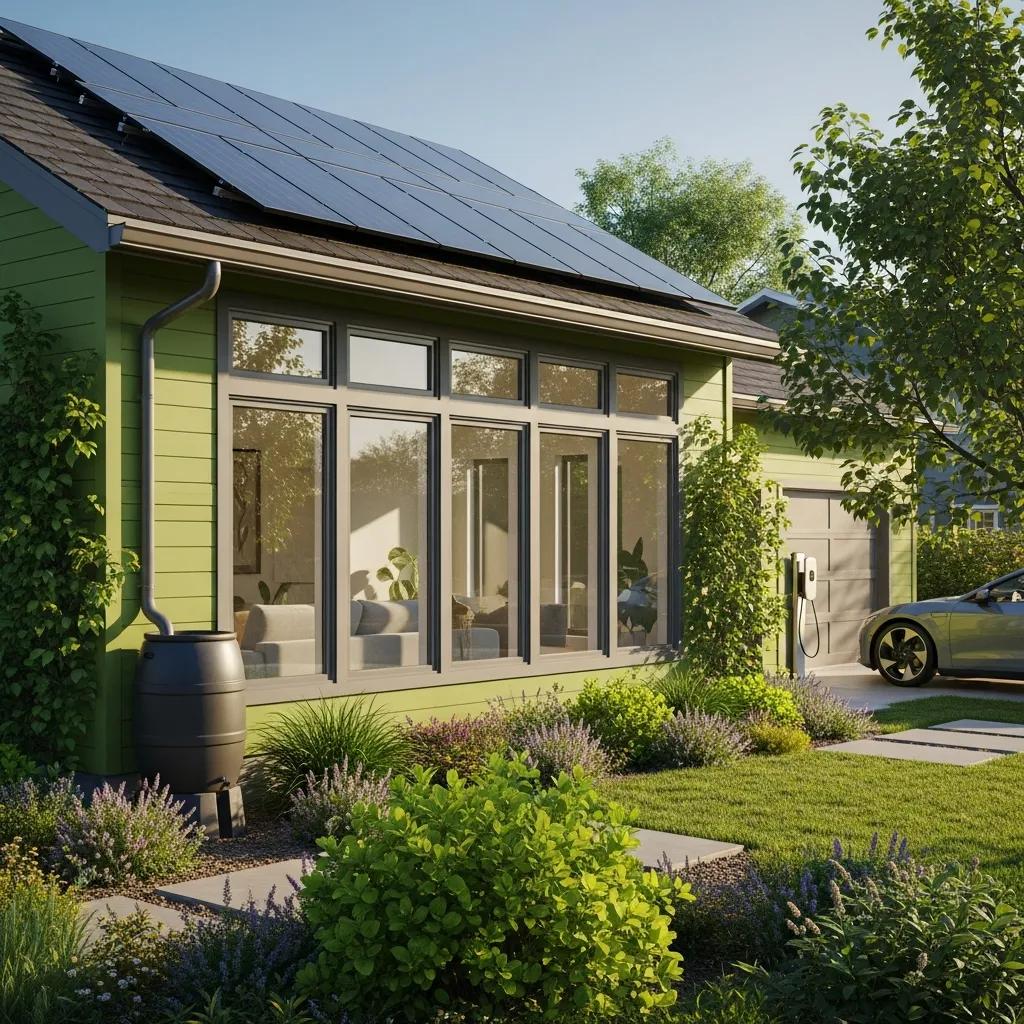
Sustainability sells because homeowners care about lower bills, comfort, and resale value. Frame upgrades as investments that cut operating costs and boost appeal, and you’ll close more premium work. The key is lifecycle value: show payback, call out rebates and incentives, and offer phased options for tighter budgets. Pair transparent savings examples with easy financing and sustainability becomes a clear, fundable choice instead of an abstract preference.
Use the table below during sales conversations to compare common sustainable upgrades by the objections you’ll hear, typical ROI timelines, and financing routes to recommend.
Sustainable upgrades differ in payback and common homeowner concerns. This chart helps you prioritize sales conversations.
| Upgrade | Common Objection | Typical ROI Timeframe | Financing Options |
|---|---|---|---|
| Insulation upgrades | Upfront cost concerns | 2–6 years | Home improvement loans, rebates |
| High-efficiency windows | Durability and cost | 5–10 years | Special financing, tax credits |
| HVAC replacement (high-eff) | Disruption during install | 3–7 years | Equipment financing, rebates |
| Solar PV systems | Complexity and maintenance | 6–12 years | PACE, leases, loans, incentives |
Short payback upgrades are easiest to sell; bigger-ticket items typically need stronger financing or phased proposals. Always tie each option to time-to-savings and available incentives to move buyers past price objections.
How Can Contractors Leverage Digital Sales Strategies to Boost Closings?
Digital selling works when it follows a repeatable flow: capture, qualify, consult, propose, follow up — each step supported by the right tools and scripts. Clean pipeline hygiene (accurate capture, automated qualification) stops leakage and keeps high-potential prospects engaged. The result is higher proposal acceptance and shorter time-to-close, which increases revenue per crew. Focus on a few high-impact processes — structured virtual appointments, fast digital estimates, and CRM-triggered follow-ups — and you’ll see measurable gains in weeks.
Start with these actionable digital steps you can set up quickly to raise close rates.
- Capture leads with a short online form tied to your CRM so follow-up happens immediately.
- Use a 15–20 minute virtual consult script to qualify needs and give a ballpark estimate.
- Send a branded digital proposal within 24 hours, then automate a sequence of check-ins and value-add messages.
These simple changes cut response time and keep buyer momentum moving toward a decision.
What Virtual Selling Techniques Are Most Effective for Contractors?
Virtual selling succeeds when you prepare, follow a repeatable consult structure, and use visuals that speed trust. Open remote appointments by confirming desired outcomes and then show three quick visuals: past project photos, a cost range, and an ROI snapshot. Screen-share proposals, short install clips, and AR mockups help homeowners picture the result. Use scripted rapport lines early to keep the call homeowner-focused. A one-page digital estimate and a standard consult script add polish and raise acceptance without extra travel.
AI then amplifies these tactics by taking routine qualification off your team’s plate so reps can focus on the best conversations.
Intro: AI reduces wasted visits and speeds prioritization by scoring leads and handling basic qualification. Review the short tool comparison below before adding AI to your stack.
AI-driven lead scoring and prioritization are becoming essential for optimizing sales efforts, letting teams focus on the most promising prospects.
AI Algorithms for Lead Scoring and Sales Efficiency
This paper examines how machine learning techniques — including Random Forest and Logistic Regression — can improve lead scoring and qualification to boost sales efficiency. Traditional, intuition-based scoring often misses high-value prospects or wastes reps’ time. By training models on historical wins and losses and relevant lead features, businesses can prioritize outreach more effectively and increase conversion. The study outlines the data preparation steps, model approaches, and comparative results used to measure gains in qualification accuracy.
| Tool | Cost Tier | Primary Use | Time to Impact |
|---|---|---|---|
| Chatbot for initial triage | Low | 24/7 screening and appointment booking | 1–2 weeks |
| AI lead scoring | Medium | Prioritizes leads for sales contact | 2–6 weeks |
| Automated proposal generation | Medium | Speeds estimate-to-proposal conversion | 2–4 weeks |
AI tools work best with clean data and a strict follow-up cadence. Pilot on a small lead set to tune scoring before a full rollout.
How Does AI Improve Lead Qualification and Sales Efficiency?
AI analyzes inbound signals — project type, budget hints, schedule windows — and assigns a score predicting close likelihood so reps concentrate on the highest-value prospects. It learns patterns from past wins and losses to flag leads that match your best customers. The benefit is measurable: fewer wasted visits, more time on deals you can influence, and higher appointment-to-close ratios. Implementation needs clean data, CRM integration, and a short test phase. Always include human review checkpoints so outlier but valuable leads aren’t filtered out — AI should augment judgment, not replace it.
Roll out AI in stages: start small, measure the metrics that matter, and scale once the model reliably lifts conversion rates.
Using analytics and AI for lead prioritization is a proven way to improve conversion and focus sales effort where it pays off most.
AI and Analytics for Lead Prioritization in Real Estate Sales
This study explores how analytics and AI change lead management in competitive markets like real estate. Traditional lead prioritization often relies on salesperson intuition, which is inconsistent. By applying data-driven scoring and behavioral analytics, agents can predict likely conversions and allocate effort more effectively. The paper reviews tools and techniques for building predictive lead models and shows how analytics can guide outreach and resource allocation to improve win rates.
What Are the Best Contractor Sales Strategies for a Pro-Centric Market?
In a pro-centric market, contractors win by systematizing ties with suppliers, retailers, and trade partners to lock in steady lead flow and better pricing. The principle is reciprocal value: partners send work to dependable contractors who represent brands well. That gives you steadier, higher-value projects and built-in credibility with homeowners. To succeed, formalize referral offers, track referrals, and use Pro program membership as a trust signal in proposals. The sections below explain how to build partnerships and turn retailer programs into a real sales channel.
Strong partnerships start with clear offers and measurable expectations. Use this short list to kick off B2B relationships.
- Identify target partners and propose a simple referral agreement with defined responsibilities.
- Share marketing materials and co-branded case studies to prove mutual value.
- Track referral results monthly and tweak terms based on measurable outcomes.
These steps build accountable partnerships that reliably feed your sales funnel and increase repeat business.
How Can Contractors Build Strong B2B Relationships and Partnerships?
Start by mapping the suppliers and retailers that touch your ideal projects. Offer a concise preferred-provider package — faster fulfillment, priority scheduling, co-marketing — that aligns with partner priorities. Measure referrals, turnaround times, and customer satisfaction to prove impact. Use a short outreach script and a one-page partnership sheet to start conversations and set expectations. Over time, documented partner success becomes a differentiator in contractor pitches and retailer endorsements.
The next subsection explains how retailer Pro programs become both a trust signal and a lead source when woven into sales messages.
How Do Retailer Pro Programs Enhance Contractor Sales?
Retailer Pro programs give operational advantages — better pricing, faster access to materials, and sometimes leads — and they double as credibility cues in proposals. Those benefits can shorten timelines and improve margins. On the sales side, featuring Pro membership reassures customers about product availability and aftercare, turning price concerns into a trust conversation. Document program perks, add Pro badges to proposals, and use retailer benefits to answer specific buyer questions about supply or warranty. Packaging retailer perks into your offer makes decisions easier and helps justify higher-ticket options.
How Can Smart Home Technology Be Integrated into Sales Pitches?
Sell smart-home features as convenience, safety, or energy-management upgrades that improve daily life and resale value — not as complicated gadgets. Use feature-to-benefit mapping: show how a device saves time, cuts energy costs, or increases security, and then give a simple ownership path. Demonstrations should be conservative and supported by short support plans that reduce perceived risk. The sections below give tactics for showing ROI and handling common smart-tech objections.
Keep smart-home demos simple and relatable. Try these practical techniques homeowners understand quickly.
- Short, context-driven videos showing real-life fixes where smart devices remove daily annoyances.
- One-line, conservative energy or time-savings bullets to avoid overpromising.
- A bundled support package with basic setup and a short warranty to lower ownership anxiety.
These approaches move the tech chat from abstract to practical, helping buyers fund smart upgrades.
What Are Effective Ways to Demonstrate Smart Home ROI to Clients?
Show conservative, homeowner-focused ROI: expected energy savings, estimated annual dollars saved, and a payback range. A simple one-line ROI calculation — annual savings, dollar estimate, and payback years — anchors the decision. Use one-page comparison charts or short simulation videos to help homeowners visualize outcomes without technical overload. Back claims with third-party data when possible and present a realistic range rather than a single optimistic number. Position smart features as part of a bundled solution to increase perceived value and reduce sticker shock.
Next, concise rebuttals for common smart-home objections keep sales moving forward.
How Can Contractors Handle Client Objections About Smart Technology?
Common objections — cost, complexity, privacy — respond well to short, empathetic answers paired with concrete solutions. For cost: offer bundles, financing, or subscription options that spread payments. For complexity: provide a hands-on demo and a brief onboarding session. For privacy: explain vendor security practices and offer local-control configurations. Reinforce trust with warranty terms and a clear support pathway. Use a simple line like Small trials and short guarantees often turn hesitation into a paid pilot, which leads to broader adoption when expectations are met.
How Should Contractors Sell Sustainable and Energy-Efficient Home Improvements?
Selling green upgrades works when you translate technical specs into homeowner outcomes: lower bills, better comfort, and stronger resale value. Frame purchases as lifecycle investments and pair them with financing or incentives to reduce upfront friction. Sustainability opens you to buyers willing to pay a premium for long-term savings. Prepare payback tables, financing snapshots, and phased plans to make green options easy to say yes to. The subsections below cover financing paths and objection scripts that help close eco-friendly projects.
Start financing talks by offering clear pathways — match the option to the project size. Use this short list when talking with homeowners.
- Home improvement loans and personal loans for straightforward projects with predictable terms.
- Incentive programs and rebates that reduce net cost and speed payback.
- PACE or equipment leasing for eligible upgrades to spread payments long-term.
Side-by-side financing options reduce sticker shock and position you as the problem-solver who makes upgrades affordable.
What Financing Options Support Eco-Friendly Home Improvement Sales?
Eco-friendly financing covers home improvement loans, manufacturer or installer financing, and incentives that lower net cost. For smaller jobs, personal loans or HELOCs may work; for big-ticket items like solar or full HVAC replacement, long-term loans or PACE-style programs make monthly payments manageable. The selling move is packaging: include a financing snapshot on the proposal showing monthly payments alongside savings estimates. Have documentation templates ready and know where to send clients to verify incentives — that speed helps approvals and closes deals.
Next, be ready to handle price and durability objections with side-by-side comparisons and phased proposals.
How Can Contractors Overcome Objections to Sustainable Materials?
Respond to concerns about cost, durability, and supply with side-by-side comparisons, manufacturer warranties, and phased approaches that lower upfront investment. Use conservative lifecycle-cost examples to show total value and cite warranties to address durability worries. If supply is tight, offer phased installations or approved alternatives so the project keeps moving. Try a line like Flexibility plus proof points converts skeptical prospects into buyers by reducing perceived risk.
How Can Sales Efficiency Help Overcome Labor Shortages in Home Improvement?
Sales efficiency is how you grow revenue when crews are limited: better qualification, automation, and consistent closing practices let you focus crews on profitable installs, not marginal leads. The outcome is higher utilization, better margins, and a stronger pitch to recruit talent with predictable volume and pay. Tactics include script-driven qualification, digital proposals to cut admin time, and visible performance metrics that make roles more attractive. The next sections cover specific productivity moves and how a professional sales culture supports hiring and retention.
To get quick productivity wins, start with these practical optimizations.
- Qualify leads up front to cut wasted site visits by checking budget and timeline early.
- Automate administrative tasks like proposal delivery and follow-up reminders to free selling time.
- Standardize scripts and onboarding so new hires ramp faster and close more consistently.
These changes boost capacity without adding crews and create clearer paths for growth.
What Strategies Maximize Sales Team Productivity with Limited Resources?
Build a qualification funnel that screens leads before site visits, optimize scheduling, and use digital proposals to shorten cycles. That reduces non-productive travel and admin work so reps spend time where it matters. Automate proposal generation and follow-up inside your CRM, track appointments-to-closes, and train reps on short consult scripts that surface budget and decision drivers early. Quick wins: block time for virtual consults and use templated proposals that need minimal edits. Tracked consistently, these moves raise appointments-per-rep and revenue-per-crew.
A professional sales culture makes hires more likely to join and stay — the next subsection explains why.
How Does a Professional Sales Culture Attract Skilled Talent?
A professional sales culture — clear training, transparent metrics, and predictable compensation — attracts salespeople who care about development and steady earnings. Organized processes reduce candidate uncertainty and speed ramp-up, which cuts turnover. Offer clear career paths, performance dashboards, and revenue-sharing incentives to make sales roles more appealing than ad-hoc or strictly commission positions. Investing in training and tools that make selling repeatable signals stability and helps sustain growth even with labor constraints.
To help contractors adopt these practices with less risk, Home Improvement Closer offers a structured training path built around the RPC Framework — Rapport, Professionalism, Close. Tier 1: Foundation is free and includes basics to standardize virtual consults and scripts. Tier 2: Mastery ($149/mo) adds deeper digital objection handling and a Script Vault. Tier 3: Ownership ($250/mo) focuses on scaling processes and offers VIP community access. Paid tiers include a 60-day money-back guarantee to lower adoption risk. Founders Ron and Shai designed the RPC Framework to turn trend-driven demand into predictable closes and better revenue per crew.
Combining training and process changes helps contractors convert trend-driven demand into closed jobs while improving hiring and retention.
| Optimization | Estimated Productivity Gain | Training Time | Required Tools |
|---|---|---|---|
| Scripted qualification | 15–30% | 1–2 weeks | CRM, script templates |
| Digital proposals | 10–25% | 1–3 weeks | Estimating software, proposal builder |
| Follow-up automation | 10–20% | 1 week | CRM workflows |
| Scheduling optimization | 5–15% | 1–2 weeks | Calendar integration |
Small, targeted process investments deliver noticeable productivity gains. Combine optimizations for multiplied impact so you can do more with the crews you have.
The strategies and training above help contractors turn trend-driven leads into closed jobs while building a sales culture that attracts and retains talent.
Frequently Asked Questions
What role does customer feedback play in shaping sales strategies for contractors?
Customer feedback is one of your best guides — it reveals what homeowners value, where communications break down, and what closes deals. Use feedback to refine proposals, tweak scripts, and highlight the benefits customers actually care about. Positive reviews become marketing assets that build trust and bring repeat business; negative feedback points to process fixes that raise conversion over time.
How can contractors effectively market their sustainable home improvement options?
Lead with homeowner outcomes: lower bills, better comfort, and stronger resale value. Use clear ROI messaging and call out incentives to make upgrades feel affordable. Show before-and-after photos, case studies, and simple payback examples. Get involved in local sustainability events or online groups to position yourself as the go-to pro for eco-friendly upgrades.
What are the best practices for following up with leads after initial consultations?
Follow up quickly and use a personal touch. Send a thank-you email that recaps the consult and next steps, include relevant photos or links, and set a clear follow-up timeline. Automate reminders in your CRM but keep messages personalized. A timely, helpful follow-up often wins the job more than a lower price.
How can contractors utilize social media to enhance their sales efforts?
Show real projects, customer stories, and short how-to or behind-the-scenes clips. Use polls and Q&A sessions to engage your local audience, and run targeted ads to reach homeowners in your service area. Highlight sustainability wins and smart-home installs to attract niche buyers. Social proof and regular, useful content build familiarity that shortens the sales cycle.
What training resources are available for contractors to improve their sales techniques?
There are online courses, webinars, and industry workshops focused on sales and customer experience. Home Improvement Closer offers structured modules covering rapport, objection handling, and digital selling. Trade associations and local business groups also run practical training sessions. Combine formal courses with peer learning — sharing scripts and case studies with other contractors speeds improvements.
How can contractors measure the effectiveness of their sales strategies?
Track key metrics: conversion rate, average job value, time-to-close, and lead source ROI. Use your CRM to monitor follow-ups and appointment outcomes. Regularly review these KPIs and pair them with customer feedback to spot trends and adjust tactics. Small, consistent improvements to process often deliver the biggest gains.
Conclusion
Adapting your sales approach to these 2026 trends will help you close more jobs and raise revenue per crew. Combine practical digital tools, clear sustainability messaging, and smart financing options with a repeatable virtual and in-person sales process. Those shifts make buying easier for homeowners and give your team a predictable way to win. Start small, measure progress, and scale what works — the results show up in higher close rates and steadier growth.